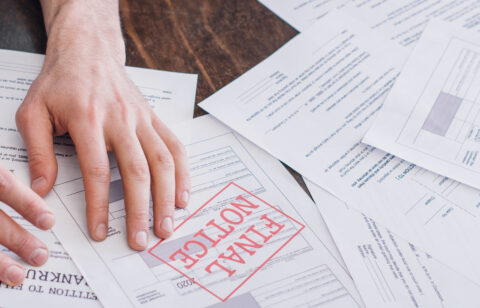

Waking up with debt hanging over your head can feel like carrying an invisible, heavy backpack everywhere you go. If you are stressed about bills, you are definitely not alone, and it is important to realize that learning how to get out of debt is a journey that happens one step at a time.
According to the latest report from the Federal Reserve Bank of New York, U.S. consumers carried $1.25 trillion in credit card balances in Q1 2026. That means millions of Americans are dealing with the exact same financial pressure you might be feeling right now.
With the right plan, you can take back control of your finances and start making steady progress toward paying off what you owe. This article explores practical ways to organize your debt, manage payments more effectively, and build habits that can support long-term financial stability.
Start With a Clear Picture of Your Debt
Facing your financial numbers head-on is the true starting point for any successful turnaround. Many people have a rough idea of what they owe. But “rough” won’t cut it when you’re trying to make a real plan.
The first step toward finding the best way to get out of debt is to sit down and get the full picture: every balance, every account, every interest rate. In fact, figuring out how to get out of debt starts here, before you pick any strategy or make any calls. It takes away the guesswork and gives you the exact data you need to compare different repayment methods and find the one that fits your life.
For each debt you carry, write down:
- Total balance
- Minimum monthly payment
- Interest rate (APR)
- Due date
That’s your debt inventory. Without it, any payoff strategy you try is essentially guesswork. With it, you have something concrete to work from.
Identify the Root Causes of Your Debt
Debt rarely comes from one bad decision. Most times, it builds from a job loss, a medical emergency, rising costs, childcare costs, or simply a stretch of time when your expenses were more than your income.
If you can identify what triggered or grew your debt, you’re better positioned to avoid repeating the same pattern. That awareness is a key part of how to become debt free in a lasting way.
Review Your Income and Monthly Expenses
Once you know what you owe, look at your monthly cash flow. List every income source from paycheck to freelance work to side jobs and even benefits. Then list every regular expense: rent, utilities, groceries, transportation, subscriptions, and every minimum debt payment.
Subtract expenses from income. Whatever that number is, even if it’s small, that’s your starting point. You can see whether you have a little bit of extra room to increase your monthly payments or if your budget is currently stretched to its limit.
How To Create a Realistic Budget to Pay Off Your Debt
Budgeting does not have to mean living miserably or cutting out everything you enjoy. A workable budget is simply a spending plan for where your money goes before you spend it. And a good spending plan gives you a realistic blueprint on how to get out of debt without feeling like you are starving your lifestyle.
Many experts recommend focusing mainly on your basic needs first, separating them from your wants, and looking for small cuts that can free up extra money to put toward debt payments. By prioritizing essential expenses and reducing unnecessary spending, you can gradually free up extra money to help reduce what you owe over time.
What if you’re just trying to get by? You might wonder, “How do I pay off debt if I live paycheck to paycheck with no extra room in my spending plan? Small adjustments like tracking spending more closely, pausing non-essential purchases, or finding small ways to increase income can help create a little extra breathing room over time.
Trim Your Spending Without Changing Your Entire Lifestyle
You don’t have to overhaul your lifestyle to make real progress. Trying to cut everything at once usually leads to burnout, and that helps no one. A more sustainable approach is to start small and focus on changes you can realistically maintain.
Start with a few repeat expenses you barely notice anymore: a streaming service you haven’t opened in weeks, a gym membership you haven’t used, or daily convenience purchases that quietly add up on your statement.
Pausing a couple of digital services or cooking at home an extra night or two a week can free up $20 to $50 a month. And while that might seem small, applying that extra cash directly to your balances month after month builds steady, real momentum without making you feel completely deprived.
Pick Up a Side Hustle to Bring in Some Extra Cash
Sometimes, cutting your current expenses can only take you so far, especially if your budget is already very lean. If reducing your spending doesn’t free up enough cash, looking for realistic ways to increase your income can drastically speed up your progress.
Many people choose to look into flexible, part-time options that fit around their regular schedules. Some side hustle ideas you can try to make extra money without leaving your current job include taking on a few hours of gig work, dog walking, tutoring, or selling unused household items through online marketplaces.
Every dollar of added income can be funneled directly into your plan, helping you clear balances much faster than budgeting alone would allow.
Choose the Best Debt Payoff Strategy for Your Situation
There is no one-size-fits-all approach when it comes to paying off debt. The right debt payoff strategy usually depends on your income, monthly expenses, total debt, and what helps you stay consistent over time. That’s because what works well for one person may not work as well for another.
If you’re asking, “What is the fastest way to pay off debt?” the answer depends entirely on your financial situation. To get out of debt as fast as possible, many people turn to one of two popular strategies: the debt avalanche or the debt snowball.
Both strategies can be effective, depending on your situation, but they serve different purposes. One focuses more on saving money, while the other focuses more on building momentum and staying motivated.
Let’s look at how each approach works below:
The Debt Avalanche Method
Many people choose to focus on debts with the highest interest rates first. This approach may help lower the total amount of interest paid over time and can be useful for anyone trying to reduce borrowing costs as quickly as possible.
The Debt Snowball Method
The snowball method focuses on paying off the smallest balances first. Some people prefer this strategy because paying off smaller debts quickly can create a sense of progress and motivation, which may encourage them to keep going.
Understand Your Debt Relief Options Before You Act
Sometimes budgeting and extra income are not enough, especially when balances have become too large to manage alone. In that case, many people turn to professional assistance or structured debt relief programs to find a path forward.
Each program has its own distinct set of rules, advantages, and drawbacks, and none is perfect for every situation. That’s why it is so critical to understand exactly how they work before making a decision.
Here are some of the most common debt relief options people consider when managing debt alone no longer feels realistic:
- Credit counseling: A certified professional reviews your income, expenses, and debts to help you build a manageable repayment plan and monthly budget.
- Debt Management Plan (DMP): A counseling agency combines your credit card payments into one monthly payment and may negotiate lower interest rates with lenders.
- Debt consolidation: You take out a new personal loan or balance transfer card to pay off multiple existing bills, leaving you with just one fixed monthly payment, usually at a lower rate.
- Debt Settlement: You or a hired company negotiate with creditors to let you pay a lump sum that is less than the total amount you actually owe in order to settle the debt.
- Bankruptcy: A legal process handled in federal court that can erase most unsecured debts entirely, though it comes with severe, long-term impacts on your credit history.
Signs Your Debt May Be Too Difficult to Handle Alone
There are times when budgeting harder, cutting more, and picking up extra work simply isn’t enough. If you can’t keep up with minimum payments even after real adjustments or your debt keeps growing despite your best efforts, it may be a sign that you have outgrown a do-it-yourself strategy and need a more structured approach.
You may need professional assistance if:
- Your unsecured debt is more than half of your yearly income.
- You are only making minimum payments and your balances barely decrease.
- You are using one credit card to pay another or relying on payday loans and short-term borrowing to survive.
Ignoring the problem will only allow interest charges to compound and worsen the situation.
How to Stay Out of Debt After You Pay It Off
Paying off your debt can bring a huge sense of relief, but maintaining that progress takes ongoing effort. After you become debt-free, it’s important to build habits that help you avoid ending up in the same situation again:
- Continue following a budget: If you were able to get out of debt, it likely means you learned how to follow a budget. There’s no reason to stop now. Keeping a budget will help you cover your everyday expenses without needing to rely on credit cards. Just remember to review it regularly and adjust it as your income or expenses change.
- Be careful with credit cards: Try not to return to the spending habits that created debt in the first place. Some people choose to limit credit card use for everyday spending or only use credit when they are confident they can repay it quickly.
- Build emergency savings: Unexpected expenses will come up at some point. Saving a little at a time can help you cover those costs without relying on debt again.
- Set new financial goals: Once debt is behind you, you can focus on other goals like saving, investing, or planning for big purchases. The same discipline that helped you pay off your debt can now help you build wealth and reach new milestones.
- Watch lifestyle creep: When debt payments stop, it can feel like you have extra money to spend. But increasing spending too quickly can slowly put pressure on your budget again. Try to keep your spending balanced as your income improves.
Staying out of debt takes the same mindset that helped you get out of it: planning, discipline, and consistency. If you keep those habits in place, you’ll be in a strong position to stay financially stable long term.
Final Thoughts
It’s okay to feel overwhelmed when you are dealing with debt. But by learning how to get out of debt and taking things one step at a time, you can start making progress and reclaim control of your financial future.
Start by understanding your income and expenses, set up a simple budget you can stick to, pick a debt repayment plan that fits your situation, and don’t hesitate to get professional help when needed.
Remember, getting your finances back on track doesn’t happen overnight. It’s a gradual process that takes patience, consistency, and a willingness to change your habits little by little. Many people find that sticking to the exact same habits that helped them pay off debt can also help them stay financially stable over time.