
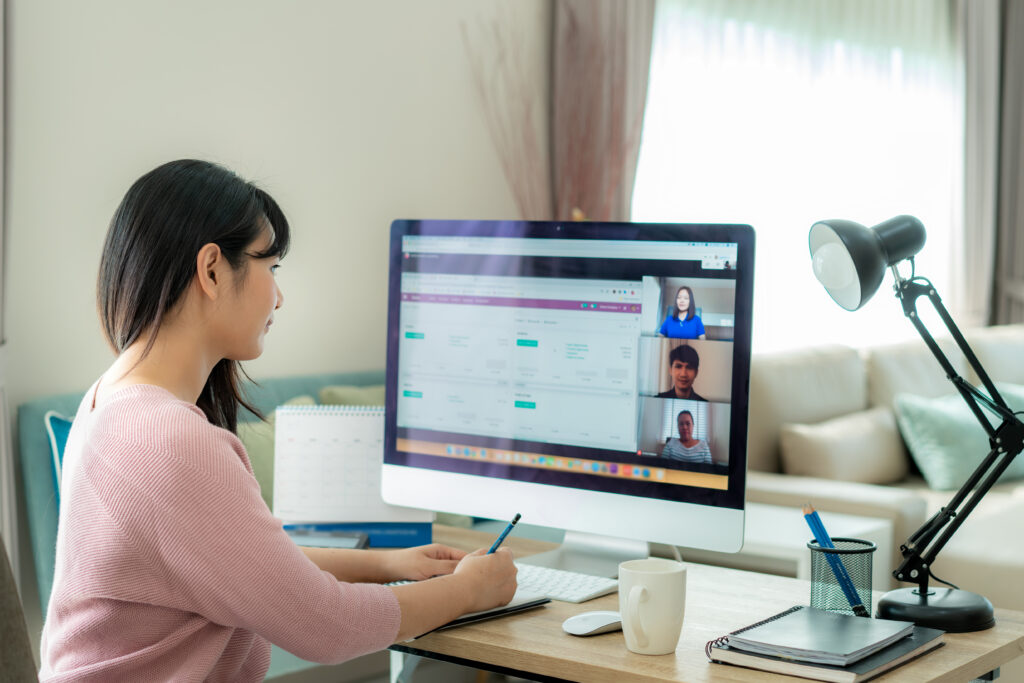
Remote work used to feel like a dream: no traffic, no cubicles, no boss hovering over your shoulder. Today, it’s simply part of how people earn a living. Yes, it may not be as dominant as it was during the pandemic in 2020. But many still prefer work-from-home jobs that give them the chance to earn with freedom and control.
As of April 2025, about 34.3 million Americans were working from home for pay, according to the Current Population Survey. That’s around 21.6% of the workforce, and that number has stayed steady over the past few years.
For a lot of people, the flexibility that comes with working online can be a lifesaver when you’re juggling family, health, or other responsibilities. And just as important, remote jobs can provide the consistency that makes paying bills, saving and managing debt a whole lot easier.
So what kinds of remote jobs can you do to earn a steady income? And how do you separate the real opportunities from the scams? Let’s break it down step by step so you know where to start and what to avoid.
How to Know If Remote Work Fits Your Lifestyle
Working from home sounds amazing on paper, but the reality feels different for everyone. Some people thrive with the freedom, while others find it tricky without the structure of an office. The good thing is, you can figure out if remote work matches your lifestyle before making the leap.
Before you start sending out applications, it helps to ask: Is this the right fit for me?
Here’s a quick self-check:
- Can you stay focused without a manager nearby? It can be tougher to stay focused at home when no one is watching you.
- Do you set routines for yourself? A regular schedule helps keep your productivity up.
- Are you comfortable communicating online? Most of your work will be through chat, email, or video.
- Do you have a quiet spot to work? Even a corner desk counts, but you’ll need boundaries.
- Can you separate home and work life? It’s easy to blur the two when they share the same space.
The Best Categories of Work-From-Home Jobs for Steady Income
When you hear “work-from-home job,” it could mean a dozen different things. Some offer steady paychecks; others are riskier but flexible. The important thing to remember is that there’s no single “right” path—just the one that fits your needs right now.
You might start with something stable to cover the bills, then branch into more flexible work once you feel secure. The beauty of today’s job market is that you can mix and match options until you land on the balance that gives you both income and peace of mind.
Here are the main paths you’ll find today:
- Remote Employees (W-2)
You’re hired by a company, work set hours and get paid through payroll. Taxes are withheld, and you may receive health insurance, retirement options, or paid time off. This is the most popular option for those looking to earn money working online. - Independent Contractors (1099)
You work on contracts or projects for different clients. You set your rates but cover your own taxes and benefits. This path suits people with specific skills, including writers, designers, coders or consultants. - Customer Service and Support
Companies in retail, banking and tech often hire remote customer service representatives. These roles usually offer set schedules and reliable hourly pay. They’re a good entry point if you want income without years of experience. - Online Business or Digital Services
You create and sell products or services—anything from handmade goods to e-books or online courses. This has the highest long-term potential but takes patience and risk tolerance.
Do Remote Jobs Pay Well?
Many remote jobs pay just as well as traditional in-office roles, and some pay even more. The key is matching your skills with the right type of work, since not every job offers the same level of stability or pay.
If you’ve been worried that working from home means settling for less, rest assured there are plenty of opportunities that can support your financial goals. But you should know that pay depends on factors like experience, industry and how specialized your skills are.
For example, a remote data entry position will likely pay less than a remote software engineering role. That doesn’t mean one path is “better” than the other. You only need to find the right balance between income, flexibility and what fits your lifestyle.
How to Find the Best Remote Jobs Online
The internet is full of solid opportunities if you know the right doors to knock on, and many companies are actively seeking remote talent. It may feel overwhelming at first, but once you learn where to search, you’ll realize you have more options than you thought.
Top Platforms to Find Legit Remote Jobs Online
- Indeed and LinkedIn: Filter for remote roles
- FlexJobs: A paid board with hand-screened jobs
- Remote.co and We Work Remotely: Popular for creative and tech roles
- Upwork and Fiverr: Contract-based freelance work
Everything You Need to Start Working From Home
Starting a remote job can feel like a big leap, but you don’t have to have everything figured out on day one. The truth is, most people ease into it by building their setup over time and learning as they go. If you focus on the essentials first, you’ll have the foundation you need to feel confident and capable working from home.
You don’t need a high-end setup to succeed, but you do need the basics.
Simple Setup Tips for Remote Workers:
- Reliable internet (at least 25 Mbps)
- A laptop or desktop computer that handles video calls smoothly
- A good headset and webcam
- Ergonomic seating and desk setup to prevent pains and repetitive stress injuries.
Skills Employers Look for When Hiring Remote Workers:
- Clear communication (especially writing)
- Time management and organization
- Comfort with common tools like Zoom, Google Workspace, or Slack
- Problem-solving skills
- Self-motivation
- Adaptability
Work From Home Scams: Red Flags to Watch Out For
Sadly, scams are everywhere. The Federal Trade Commission reported $501 million in job scam losses in 2024, making it one of the fastest-growing fraud categories.
It’s frustrating, because people searching for real opportunities are often the ones targeted most. The good news is that spotting the warning signs gets much easier once you know what to look for. And with a little awareness, you can protect yourself and focus on finding a real job online.
Watch out for these red flags:
- The company asks you to pay for training or equipment.
- The posting is vague about pay and responsibilities.
- They rush you to sign a contract.
- The contact email isn’t from a company domain.
- You’re hired without an interview.
- The promise sounds too good to be true.
Final Thoughts
Working from home isn’t just about comfort—it’s about finding steady income in a way that fits your life. Whether you take on a traditional remote job, contract work, or start your own online business, the key is choosing a path that balances your skills, goals, and need for stability. With the right setup and awareness of scams, remote work can open doors to reliable income and greater control over your time.