If you’ve been exploring resources on real estate investing for beginners, you might be wondering about the benefits of rental properties vs. house flipping. Both can be lucrative strategies, but they’re not something you should rush into.
This guide will take a closer look at renting vs. house flipping and show you how to determine which might be right for you.
Buying Rental Properties vs. House Flipping: The Basics
Before delving into the respective benefits and risks of house flipping and owning rental properties, it’s important to have a solid understanding of what each one involves.
House Flipping
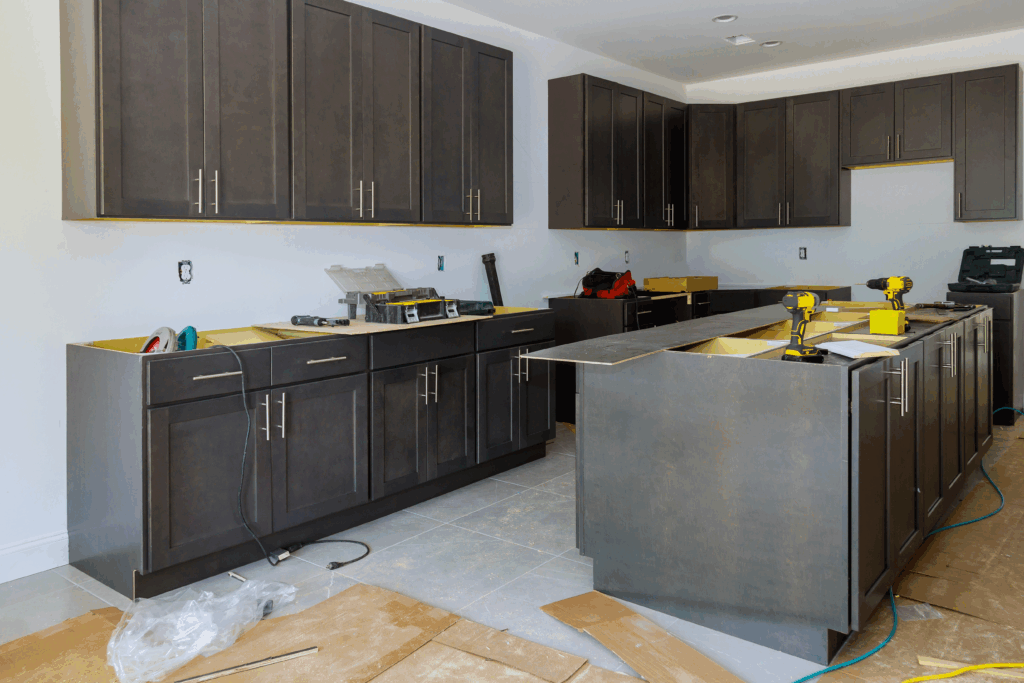
House flipping is when you buy homes for relatively low prices, fix them up, and sell them for a profit. Most house flippers buy “distressed properties,” which are houses that are close to foreclosure. Some distressed properties may have already been repossessed by the bank.
The key to success with flipping is to pay less than the market rate, complete the necessary renovations as affordably as possible, and offload homes rapidly to minimize carrying costs.
Buying Rental Properties
Instead of selling properties for a quick profit, you can also maintain them as rentals. This is sometimes called a “buy-and-hold” investment.
Rental properties can generate income over time, but managing them involves more than just collecting rent. You must also locate tenants, maintain the property, and cover costs like homeowners’ insurance.
Some people hire property managers to handle the logistics. Doing so can save you a bit of hassle, but it will also eat into your profits.
Which Is the Best Real Estate Investment Strategy?
Is being a house flipper worth it, or should you forego the possibility of quick profits in favor of long-term appreciation? Here’s an examination of some important pros and cons of each.
Pros and Cons: House Flipping
If quick profits sound more appealing to you than long-term appreciation, house flipping might be the right real estate investment strategy for you. In addition to the potential for considerable profits, here are some of the benefits of house flipping:
- You don’t have to worry about long-term property management
- You’ll see a return on investment as soon as you sell the property
- Once you figure out a successful process, you can repeat it
However, like many investments with high reward potential, house flipping comes with significant risks. Before you rush out to find and flip your first house, consider these potential downsides:
- The upfront costs (including home purchase and renovations) can be substantial
- The process is time-consuming and logistically complex
- There’s a chance you won’t be able to recoup your investment
Many experienced house flippers follow something called the “70% rule.” This means that when buying a house to flip, they never pay more than 70% of the post-renovation value minus renovation costs.
Pros and Cons: Rental Properties
Buying and renting out properties can be a sound investment strategy. Some of the advantages of this method include the following:
- You can generate passive income
- Properties may increase in value over time
- Expenses are typically tax-deductible
If you can develop a stable rental property cash flow, you may find success as a long-term investor. However, you should also consider the possible drawbacks:
- If you can’t find tenants, the property won’t generate income
- It can take quite a bit of time to make a profit
- Carrying costs like repairs and insurance can be significant
If you’re having trouble determining whether a given rental property will be a solid investment, the “7% rule” might help. It suggests that your annual rental proceeds should be at least 7% of your home’s total purchase price.
However, the 7% rule is just a guideline, not an absolute rule. If you’re buying your first rental property, it may be helpful to seek the advice of an experienced real estate professional.
Is It Better to Keep a House as a Rental or Sell It?
Keeping a house as a rental can provide you with passive income and the potential for long-term price appreciation. However, selling can help you generate large profits quickly, which you can roll over into your next project.
Ultimately, which exit strategy makes the most sense depends on your financial priorities and the details of the investment deal. In any case, both options involve significant risk, so make sure you do your due diligence before buying a property.

Seasoned real estate investors often plan for multiple exit strategies. For example, having the flexibility to rent or flip a property as conditions change can help minimize your risk.