

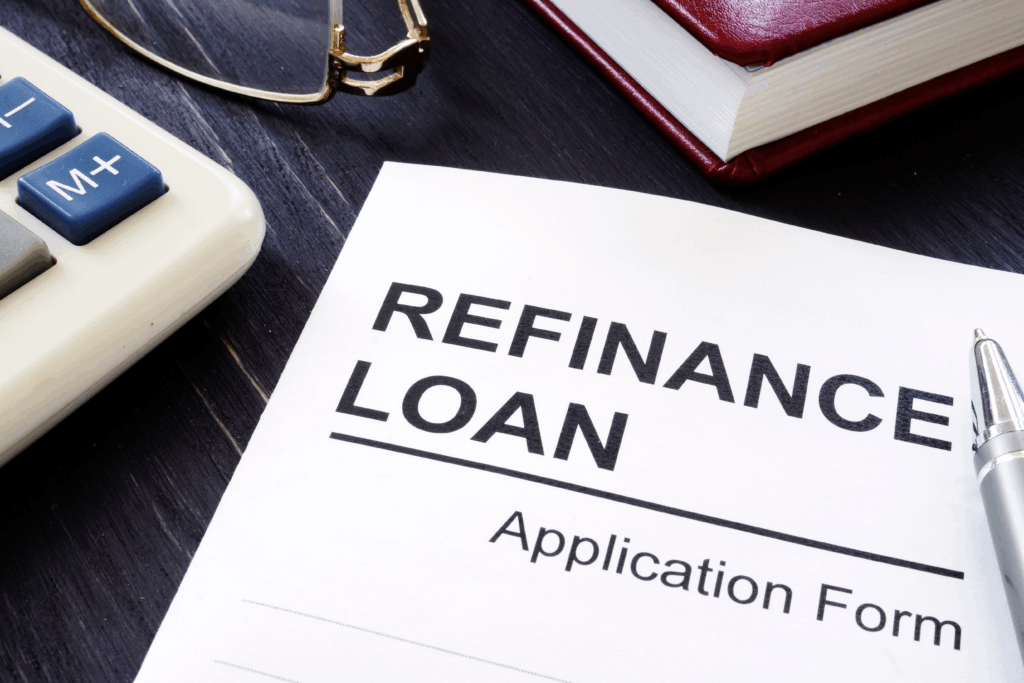
If you have a traditional mortgage, you might feel like you’re locked into the same monthly payments for the next 15 to 30 years. But in some cases, mortgage refinancing can substantially lower those payments.
Wondering when to refinance a mortgage? The right timing depends on your individual circumstances, but here are a few tips and guidelines to help you make a decision.
Refinancing vs. Loan Modification
Before we look at how to tell whether the costs of refinancing a mortgage make it worthwhile or not, it’s important to understand the difference between refinancing and a loan modification.
How Mortgage Refinancing Works
When you refinance, you apply to qualify for a new mortgage. Once you secure the new mortgage, you use the funds to pay off your current home loan.
Refinancing can be a smart strategy if you can get better loan terms. In many cases, homeowners hope for improved terms such as the following:
- Lower interest rates
- Shorter or longer repayment terms (depending on individual needs)
- Changing from a variable-rate to a fixed-rate mortgage (or vice versa)
In addition, know that lenders typically require you to have at least 20% equity in your home before refinancing.
How Loan Modification Works
With a loan modification, your lender changes the terms of your current loan to help you keep your home. Some lenders extend the loan term so your monthly payments are lower. Others may adjust the interest rate.
Loan modification is generally only an option if you are concerned about your ability to repay the home loan. You typically must be able to show evidence of financial hardship, such as an unexpected job loss.
Common Benchmarks for Refinancing
Understandably, you probably want to make sure you can expect reasonable savings before going through the hassle of getting a new home loan. The 2% rule can help you determine whether to refinance.
The 2% rule for refinancing suggests that refinancing is worthwhile if you can reduce your interest rate by at least 2%. However, others think it’s still worth refinancing if you can reduce your rate by at least 1%.
When Should I Consider Refinancing My Mortgage?
When does it make sense to refinance your home? Here are a few signs that may indicate it’s worth considering.
Interest Rates Have Dropped
Many people choose fixed-rate mortgages for stability because they want to avoid unexpected rate hikes. However, if mortgage rates drop and you have a fixed-rate loan, you still have to keep paying the original interest rate.
Refinancing is one way to lower that interest rate to current levels. This can potentially save you thousands of dollars over the life of your loan and make your monthly payments more manageable.
You’re Making More Money
If you’re earning substantially more money, you might refinance to get a shorter loan term. While this comes with higher monthly payments, it also means you’ll pay off your loan sooner, which could save you thousands of dollars in interest costs.
You Want to Eliminate Mortgage Insurance on an FHA Loan
If you have a mortgage backed by the Federal Housing Administration (FHA), you might have to pay an annual mortgage insurance premium.
These loans allow you to put down less than 20% upfront. As a result, lenders face a greater default risk, and mortgage insurance helps compensate for that.
However, once you have at least 20% equity in your home, you may be able to qualify for a conventional mortgage that doesn’t include mortgage insurance.
Mortgage Refinancing Pros and Cons
Still not sure whether a mortgage refinance is right for you? It might help to examine the pros and cons of refinancing. Here are some key benefits:
- You can lower your interest rate
- You might improve your loan terms
- You might be able to drop your mortgage insurance
- You can cash out your equity
Meanwhile, potential drawbacks include:
- You’ll have to pay closing costs on the new mortgage
- Your credit score may take a temporary hit
- Some options—such as choosing a longer loan term—might prove more costly to you over time
If you can’t determine whether refinancing is the right choice in your circumstances, consult with a qualified financial advisor to receive tailored guidance.
Having Trouble Deciding When to Refinance a Mortgage?
Refinancing makes the most sense when it gets you a lower interest rate, which can help you save thousands of dollars over the life of your mortgage. However, the process is a significant undertaking and carries additional closing costs, so do the math to make sure it’s worthwhile before committing.
If you need help navigating the decision, consider working with a financial advisor who can walk you through the key considerations.