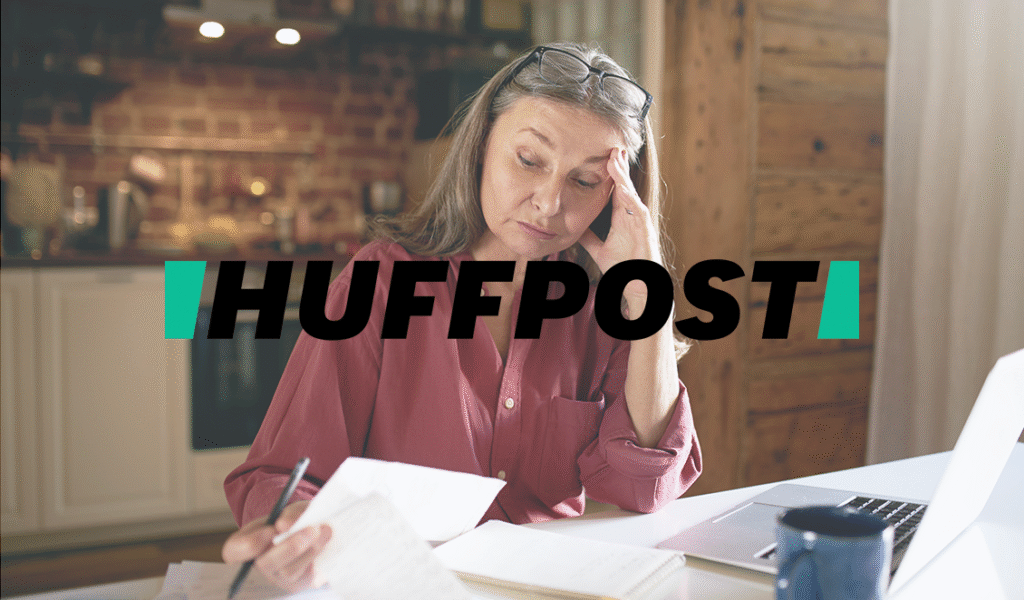
If you’ve ever hesitated before making a purchase, even when you knew you could afford it, that uneasy feeling may go deeper than simple budgeting caution. For many people, money anxiety lingers regardless of income level or financial stability, shaping everyday decisions and fueling a constant fear of what could go wrong. According to a recent HuffPost article, that fear sometimes has a name: “Bag Lady Syndrome,” a nonclinical term that captures a very real and emotionally charged experience around finances.
As reported by HuffPost, Bag Lady Syndrome refers to a persistent fear of running out of money and becoming financially destitute, even when the numbers suggest otherwise. This anxiety often has little to do with someone’s actual bank balance and more to do with safety, control, and emotional security. People affected by this mindset may feel intense guilt about spending, avoid investing, or cling tightly to cash, all in an effort to protect themselves from a worst-case scenario that feels constantly looming.
The article highlights how this fear can quietly shape behavior. Some individuals drive out of their way to save a few cents or hoard items “just in case,” while others withdraw from social situations that involve spending money. Over time, that hypervigilance can lead to burnout, isolation, and the feeling that money is a source of stress rather than support.
HuffPost also explores the deeper psychological and societal roots behind Bag Lady Syndrome, particularly why it disproportionately affects women. Cathleen Bell, vice president of customer research and insights at National Debt Relief, explains that financial trauma plays a significant role. Experiences like divorce, caregiving responsibilities, job loss, growing up with financial instability, or navigating today’s rising cost of living can all leave lasting emotional imprints. “This isn’t just about money, it’s about emotional security,” Bell says, emphasizing that many people carry these fears long after their circumstances have changed.
The article underscores how long-standing inequalities, including wage gaps, longer life expectancy, and uneven access to financial education, can intensify these concerns for women. The fear is often rooted in lived experience rather than irrational thinking, making it all the more important to approach it with compassion rather than judgment.
While Bag Lady Syndrome can feel overwhelming, HuffPost makes clear that it’s not a permanent state. Experts recommend starting by acknowledging the fear without shame and separating facts from assumptions. Building a realistic budget, understanding your true monthly costs, and setting achievable goals can help replace fear with clarity. Bell advises grounding decisions in real numbers, not anxiety, to foster confidence and a greater sense of control. For those whose anxiety is closely tied to overwhelming debt, exploring options like debt settlement can also be a meaningful step toward regaining stability and reducing financial stress.
Ultimately, the article encourages readers to find a healthier balance between preparing for the future and enjoying life today. Small, intentional steps—like building an emergency fund or giving yourself permission to spend thoughtfully—can slowly shift your relationship with money from fear-based to safety-based. You can read the full article on HuffPost to learn more about Bag Lady Syndrome and how to start moving toward greater financial peace of mind.