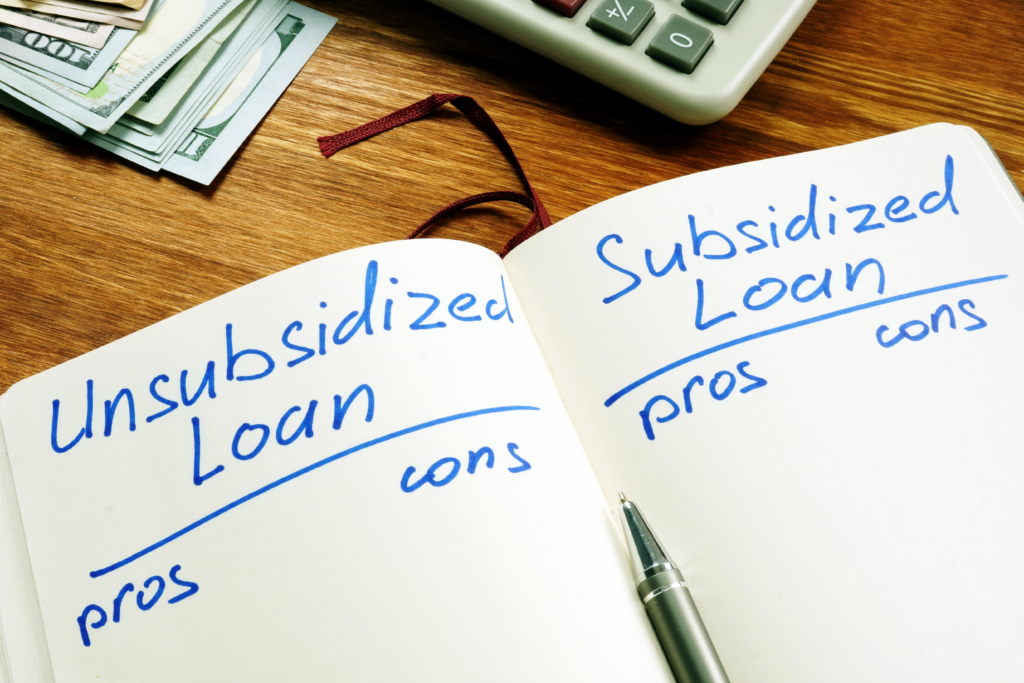
As tuition and living expenses continue to rise, paying for college can feel overwhelming, even with scholarships or savings. Federal direct unsubsidized loans can help you fill any financing gaps when other sources of financial aid aren’t enough.
Unlike with private loans, you don’t need a co-signer or high income to qualify. However, there are drawbacks, such as interest that starts building from day one. This guide explores how federal direct unsubsidized loans work to help you determine if one makes sense.
What is a Federal Direct Unsubsidized Loan and How Does It Work?
A federal direct unsubsidized loan is a government-backed student loan available to students at all levels, including undergraduate and graduate school, regardless of financial need. That means even if your family income is high, you can still qualify.
These loans are issued by the U.S. Department of Education and fall under the federal student aid system. Once approved, the money is sent directly to your school to cover tuition, fees, and other approved costs. Any remaining amount is then released to you for expenses like books, housing, or transportation.
The key thing to understand is how interest works. With federal direct unsubsidized loans, interest begins accruing as soon as the loan is disbursed. There’s no waiting period and no pause while you’re in school.
Who Can Qualify for Federal Direct Unsubsidized Loans?
One reason these loans are so common is accessibility. Most students enrolled at least half time in an eligible college or university can qualify. There is:
- No credit check
- No income requirement
- No need for a co-signer
Eligibility is based mainly on enrollment status and completing the Free Application for Federal Student Aid (FAFSA). This makes federal direct unsubsidized loans especially helpful for students who don’t qualify for grants but still need financial support.
How Much Can You Borrow?
While these loans are widely available, they do come with borrowing limits. These limits are set by the federal government and are meant to keep borrowing from getting out of hand. You can’t borrow an unlimited amount, even if your school costs are high.
The amount you can borrow depends on variables like:
- Your year in school
- Your borrowing history
- Whether you’re considered dependent or independent
- Whether you’re an undergraduate or graduate student
For undergraduates, annual limits are lower. Graduate and professional students may borrow more each year, but lifetime limits still apply.

The One Big Beautiful Bill Act (OBBBA) is changing federal direct loan borrowing limits, effective July 1, 2026. The new caps include:
- Graduate programs: Students limited to $20,500 per year or $100,000 for the degree.
- Professional programs: Students limited to $50,000 per year or $200,000 for the degree.
- Undergraduate programs: Parent PLUS Loans limited to $20,000 per year and $65,000 for the degree.
Understanding How Interest Works on Unsubsidized Loans
Many students assume interest only matters after graduation, but with federal direct unsubsidized loans, interest starts adding up right away. Even if you’re not required to make payments while enrolled, interest continues to grow in the background.
As a result, you generally have two options:
- Pay the interest while you’re in school
- Let the interest accumulate and be added to your balance later
Some students pay what they can when they can. Others choose to wait until after graduation, when income is more stable.
Repaying Your Loan: What to Expect After Graduation
Repayment usually begins after you graduate, leave school, or drop below half-time enrollment. At that point, you’ll be able to choose from several federal repayment plans. Some repayment options to consider include:
- Standard repayment with fixed monthly payments
- Graduated repayment that starts lower and increases over time
- Income-driven repayment plans based on earnings and family size
 Tip:
Before your first payment is due, make sure you understand your repayment plan and monthly obligation as you transition into life after school.
Tip:
Before your first payment is due, make sure you understand your repayment plan and monthly obligation as you transition into life after school.
How to Pause Payments
Sometimes, repayment doesn’t go as you expect. Unforeseen situations, career changes, or personal challenges can make payments difficult. Federal loans are designed with those realities in mind.
If you’re having trouble paying, you may qualify for deferment or forbearance for reasons like:
- Returning to school
- Experiencing financial hardship
- Serving in the military
During these periods, payments may pause temporarily. Interest may still accrue, but the option can provide breathing room when it’s needed. This safety net is one reason federal direct unsubsidized loans remain a popular option among many American students.
Simple Ways to Stay Organized With Your Student Debt
Just because a loan is federal doesn’t mean it works the same as every other federal loan. Each loan has its own rules, so you need to pay attention to the details and plan ahead. Some simple ways to stay organized include:
- Reviewing your loan balance at the start of each semester
- Keeping track of how interest builds over time
- Borrowing only what you actually need, even if you’re approved for more
- Setting reminders for loan updates and payment due dates
Final Thoughts
College is an investment, and financing it affordably requires careful planning. Federal direct unsubsidized loans provide an accessible way to borrow when other options fall short, but they start accruing interest immediately. Make sure you understand the implications of that and factor them into your long-term debt repayment plans.