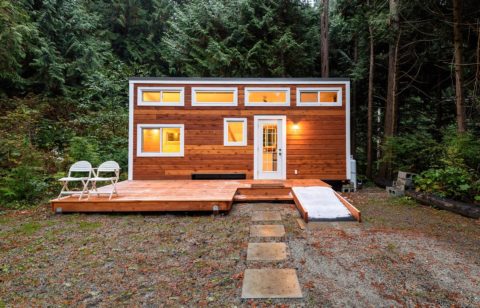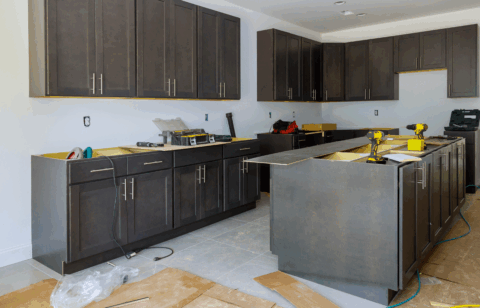

Retirement can bring big changes, including deciding where you want to live next. A new place might offer more comfort, less maintenance, or a layout that better fits the years ahead.
At the same time, buying a home is a long-term financial commitment, and it’s helpful to look at how that choice fits with your income, health, and plans for the future.
Understanding Your Financial Position
How Home Equity May Influence Your Options
Some people use the equity from their current home to help fund a move. If selling your home would leave you with a meaningful amount of equity, it could give you more flexibility when comparing housing options. The impact depends on the value of the home you plan to buy and how much of your equity you would need to use.
Looking at lower-priced homes may reduce long-term costs, while choosing a higher-priced home may require a closer look at how the payments fit into your retirement income. These choices vary from person to person, so it helps to understand the range of outcomes rather than relying on assumptions.
Common Sources of Retirement Income
Many people rely on several income sources after leaving the workforce. These may include:
- Social Security
- A pension
- Personal savings
- Investment accounts
- Retirement accounts, such as a 401(k) or IRA
- Part-time employment
Reviewing how these income streams may work together can offer a clearer picture of what you can comfortably support.
Income in retirement may not match your working years, so understanding how much you expect to receive can help you think through what kind of housing costs might fit your situation.
How Timing Before Retirement Can Shape Affordability
The amount of time left before you stop working can influence how manageable a new home purchase feels. Some people prefer having several working years left so they can continue building savings and paying down a new mortgage before relying entirely on retirement income. Others may already feel prepared based on their financial plans, or decide that downsizing and going mortgage-free are the best options.
The key is understanding how much time you have before retirement, what expenses may change, and how a mortgage or housing payment fits into that picture.
Lifestyle and Health Considerations
As you think about where you want to live in retirement, it may help to look beyond the financial side of a home purchase. Daily upkeep can play a big role in how comfortable a home feels over time, especially as lifestyle preferences and health needs evolve.
Consider factors such as:
- Maintenance and upkeep: Tasks like yard work, cleaning, and repairs may become more difficult if health or mobility declines.
- Personal preference: Some retirees enjoy doing outdoor projects or home maintenance, while others prefer a low-maintenance living arrangement.
- Home layout: Features like stairs, steep driveways, or large yards may feel manageable now, but could become harder to navigate in the future.
- Long-term comfort: Thinking through how much upkeep you’re willing to take on—both now and later—can help determine whether a home supports the lifestyle you want during retirement.
Long-Term Planning and Family Considerations
A home purchase later in life can affect more than your monthly budget. It may also shape what you leave behind for loved ones.
If buying a new home would require most of the equity from your current one, there may be less available for heirs in the future. For some families, this matters a great deal. For others, it is less of a concern.
Emotional factors can also play a role. A long-time family home may hold memories that make it meaningful to keep, while a move to a new space may offer comfort, accessibility, or peace of mind. Thinking about how each option aligns with your personal priorities—and how it may affect the people close to you—can help you understand the broader impact of a move.
Ways to Evaluate Whether a Home Purchase Fits Your Situation
Buying a home near retirement involves more than choosing a location or floor plan. It can help to reflect on how this choice fits into the broader picture of your finances, daily life, and long-term goals.
Asking yourself a few guiding questions may make the decision easier to understand:
- How would a new mortgage or housing payment fit into the income you expect in retirement?
- Would using the equity from your current home support your plans or limit your flexibility later?
- Does the home match the level of maintenance you’re comfortable handling over time?
- How might this choice affect the people who rely on you or may inherit your property?
- Does the move support the lifestyle you want as you age, including health, location, and accessibility needs?
These questions do not point to a single right answer. Instead, they offer a way to view the decision from different angles so you can see how well a home purchase aligns with your priorities.
Final Thoughts
Thinking about buying a home as you approach retirement involves more than comparing listings or choosing where you want to live. It can help to consider how a move fits with your financial plans, health needs, and long-term goals. Some people may find that a new home offers comfort or convenience, while others may decide that staying where they are provides more stability.
Taking time to understand your income, the responsibilities of maintaining a home, and the impact on your family can give you a clearer picture of what works best for your situation.
Every household is different, and the choice that feels right will depend on your own priorities and what you want life in retirement to look like.