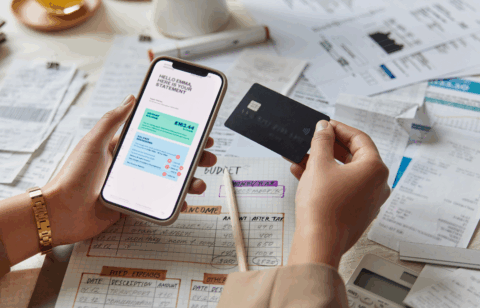
You’ve paid your bill, avoided big splurges, and still, your credit card balance keeps creeping up. What gives? The culprit might be hidden credit card fees, which are small charges that love to hide in the fine print.
From credit card annual fees to cash advance fees on credit cards, these sneaky costs can quietly eat away at your budget month after month. And the worst part is that most people don’t even know they’re paying them.
Knowledge is power. Once you know where these fees come from, you can make a plan to avoid (or at least reduce) them. Learn why hidden credit card fees are so damaging, plus the most common fees to be on the lookout for.
The Impact of Hidden Credit Card Fees on Your Finances
Credit card fees are charges that quietly chip away at your hard-earned money while you’re busy just living your life. Even if you pay your bill on time, you might still be paying for things you didn’t realize. Before you know it, your balance will creep higher just because of silly fees that add zero value to your life.
These hidden costs don’t just drain your wallet; they can also affect how you manage your debt. For someone who’s already juggling bills, a few surprise charges here and there can throw off your entire budget.
How To Avoid Credit Card Fees
Credit card fees eat into your budget. While they’re always mentioned in the fine print, you have to go through pages of legalese with a magnifying glass to spot them.
Before you assume these charges are just “the cost of having a card,” let’s break them down one by one. We’ll also explore how to avoid credit card fees (or at least make them less painful).
Annual Fees
Credit card companies charge you an annual fee for the “honor” of issuing you a card. Annual fees can range anywhere from $35 to several hundred dollars for premium cards with perks like travel points or airport lounge access.
If you’re not actually using those perks, that yearly cost can eat into your budget fast. If the fees aren’t worth it, contact your card issuer and ask if they’ll waive or reduce the fee. It sounds odd, but sometimes they’ll work with you if you’ve been a loyal customer or are experiencing hardship. You can also downgrade to a no-fee version of the same card without canceling the original.
Late Payment Fees
Missing a payment by even a single day can trigger late payment fees, and those can sting. Most card issuers charge between $30 and $40 when your payment doesn’t arrive by the due date, and the fee can climb higher if you’re late more than once.
Fortunately, these are the easiest fees to avoid if you’re otherwise careful with money. Turn on autopay or create calendar reminders so you never miss a due date. If you do slip up, call your issuer and ask them to waive the first fee—many will as a courtesy.
Balance Transfer Fees
With a balance transfer, you transfer the balance owed on one credit card to another. If you manage to get a 0% balance transfer on a lower-interest card, this can be a smart move for getting out of debt.
However, some banks charge balance transfer fees. Most issuers charge between 3% and 5% of the amount you transfer. That means moving a $5,000 balance could cost you $150 to $250 right off the bat.
To avoid this, look for cards with 0% balance transfers or other special offers. Transfer only what you can pay off within the promotional period to make the most of your savings.
Currency Conversion Markups
If you go on a foreign trip, your credit card might charge a currency conversion markup (also called a foreign transaction fee). These sneaky fees, usually 1% to 3% of each purchase, show up anytime you buy something in another currency or from an international retailer online. And yes: even if you’re not traveling, ordering from a global website can trigger them.
Instead of paying these fees, use a travel card or one of the best no-fee credit cards for saving money that explicitly lists “no foreign transaction fees.” Paying in the local currency, in cash, can also help you avoid fees.
Cash Advance Fees
Have you ever tried to use a credit card at an ATM? Cash advance fees kick in when you borrow cash against your credit limit, and they’re some of the most expensive hidden credit card fees.
Here’s how it works: your card issuer treats that withdrawal as a short-term loan. You’ll usually pay a flat fee (say, $10) or a percentage of the amount withdrawn (often 3%–5%), whichever is higher. And unlike regular purchases, interest starts racking up immediately.
If possible, skip cash advances from your credit card altogether. If you must use one, pay it back as soon as humanly possible to minimize interest charges.
Monthly Minimum Fees
Some credit cards charge a monthly minimum fee for not using your card enough. They’re most common with secured or subprime cards, where the issuer makes money through fees rather than interest.
Avoid these hidden credit card fees by using your card a few times a month for a small purchase, like a coffee, and paying it off immediately. If you rarely use the card, consider downgrading to one of the best no-fee credit cards for saving money that doesn’t penalize inactivity.
Outsmart the Fine Print
Hidden credit card fees are sneaky, and they’re dangerous if you overlook them. These fees can chip away at your finances, but don’t forget that you’re in charge.
Learning how these fees work will help you avoid them in the first place, keeping your money where it belongs: in your pocket. Every dollar you save on unnecessary fees is a dollar you can put toward your goals, whether that’s paying down debt, saving for the future, or just breathing a little easier when you open your next statement.