A doctor’s debt relief story may not sound like something you hear every day. Many people assume that a high-income career is a shield against financial hardship. But that’s not always the case.
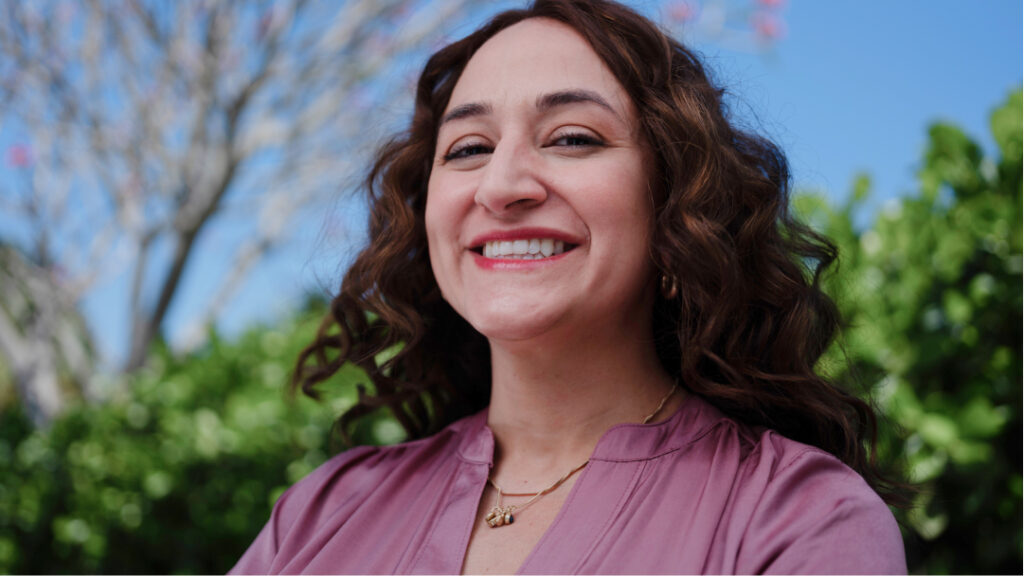
Andrea, a primary care physician, found herself struggling with credit card debt after a series of financial setbacks. She had returned to work at her father’s private practice expecting to earn about $200,000 a year. Then the COVID-19 pandemic hit, business at the practice declined, and an underground oil tank at her home failed.
Repairing the tank cost about $20,000, which Andrea added to her existing credit card debt. At the same time, she was struggling to keep up with her mortgage and trying to sell the house. When her first offer fell through, the pandemic made an already difficult situation even harder.
Eventually, Andrea reached a point where she could no longer keep up with even the minimum payments on her credit cards. That was when she turned to National Debt Relief for help.
This is Andrea’s story: how mounting expenses and credit card debt overwhelmed her finances, what finally pushed her to seek help, and how she began moving forward.
Quick Overview of Andrea’s Credit Card Debt Story
Every debt relief story is different. Here’s a quick overview of Andrea’s situation:
- Profession: Primary care physician
- Type of debt: Credit card debt
- Major setbacks: Reduced private-practice income during the pandemic and a $20,000 home repair
- Turning point: Reaching a point where she could no longer keep up with minimum credit card payments
- Solution: Enrolling in a debt relief program through National Debt Relief
- Outcome: Progress resolving her enrolled debt and greater financial flexibility for her family
Andrea’s experience shows why income alone doesn’t always tell the full story of someone’s financial situation.
The Moment Andrea Realized Something Had to Change
Andrea’s turning point came around Christmas.
She was trying to decide whether to use her available money to keep making minimum credit card payments or provide Christmas gifts for her children.
She chose her kids.
By that point, Andrea said she could no longer keep up with the minimum payments on her credit cards. The financial stress was also affecting her relationship with her spouse and making it difficult for the family to enjoy everyday life.
That was when she decided the situation could no longer continue as it was.
Why Andrea Decided to Get Help
Andrea didn’t discover National Debt Relief on her own. One of her brothers, who had experienced a similar financial situation, recommended the company.
She wasn’t immediately ready to enroll, but after reaching what she described as a wall around Christmas, she called.
During her conversation with an NDR representative, Andrea discussed her financial situation and her goals. She said that talking openly about what she was experiencing brought an immediate sense of relief, particularly after learning that she wasn’t alone in struggling with debt.
The representative also explained how the program worked and what Andrea could expect throughout the process.
After deciding the program was appropriate for her situation, Andrea enrolled.
What the National Debt Relief Process Looked Like
The process began with a conversation about Andrea’s financial situation and goals.
After enrolling, Andrea began following the program while National Debt Relief worked with her on resolving eligible debts.
Andrea initially worried that the people she spoke with might not genuinely care about what she was going through. Her experience turned out to be different.
She said having people she could trust to work on her debt allowed her to focus more on other parts of her life.
As the program continued, she began seeing progress.
One account in particular stood out to her. Andrea recalled having a debt of about $16,000 that was settled for less than $8,000 before program fees.*
For Andrea, that result represented more than a change in a number on a statement. She began thinking again about other financial possibilities for her family, including refinancing her home, replacing a vehicle and buying furniture.
As she put it, she finally felt like she could breathe.
*Individual results vary. This example reflects savings on that account before program fees.
The Gradual Changes That Made a Difference
Before seeking help, Andrea described her finances as a source of constant stress.
The debt affected more than her budget. She said financial pressure created strain in her marriage and made it difficult for her family to enjoy life.
As Andrea progressed through the program and began seeing accounts resolved, that pressure started to change.
She described becoming more comfortable with the process as she saw progress. Having support also allowed her to focus more on her family and other responsibilities instead of feeling consumed by the debt.
That emotional shift became one of the most meaningful parts of her experience with National Debt Relief.
Understanding the Debt Relief Timeline
No single debt relief timeline applies to everyone.
National Debt Relief says clients who complete its debt relief program generally do so in about 24 to 48 months, depending in part on how quickly they can save funds for settlements.
The timeline can vary based on factors such as:
- The amount and type of debt enrolled
- How much the client can contribute to the program
- Negotiations with individual creditors
Not every client completes the program, and results vary based on individual circumstances.
For Andrea, seeing continued progress was especially meaningful because the debt had previously felt overwhelming.
Life After Debt: How Things Changed for Andrea
As Andrea’s debt situation improved, other areas of her life improved too.
She and her family were able to remain in and enjoy their home rather than continuing to struggle with how to afford it. With the debt under control, selling no longer felt necessary. Andrea also reported that her relationship with her husband improved.
Perhaps most meaningful to her was being able to spend money on experiences and opportunities for her children again.
She talked about taking a family trip to the Poconos and being able to pay for activities such as swimming and dance classes, as well as her children’s school expenses.
Those were practical signs of what greater financial flexibility meant to Andrea.
Her experience with NDR also left a strong emotional impression. She repeatedly described feeling grateful for the support she received throughout the process and said the people she worked with made her feel cared for rather than judged.
What to Consider Before Joining a Debt Settlement Program
Andrea had a positive experience, but debt settlement isn’t the right fit for everyone.
The process can come with potential drawbacks. For example, participating in debt settlement may negatively affect credit, particularly if enrolled accounts become delinquent.
There can also be tax implications. The IRS explains that canceled or forgiven debt may be treated as taxable income, although exceptions and exclusions can apply. Consider consulting a qualified tax professional about your individual situation.
Creditors also aren’t required to accept settlement offers, so specific settlement results can’t be guaranteed.
Before enrolling in any debt settlement program, it’s important to understand how the process works, what it may cost, potential effects on your credit and the alternatives available to you.
You can learn more about how debt settlement works before deciding whether it could fit your circumstances.
Key Lessons From This Doctor’s Credit Card Debt Story
Andrea’s story offers a few useful lessons about debt that apply well beyond the medical profession:
- Income doesn’t tell the whole story. Andrea expected a strong physician’s salary, but a drop in income and a major unexpected expense quickly changed her financial situation.
- Unexpected expenses can compound existing debt. The $20,000 oil-tank repair added to credit card balances Andrea was already carrying.
- Financial pressure can affect more than money. Andrea said the stress also affected her marriage and family life.
- Asking for help can provide another way to evaluate the problem. Andrea waited until she felt she had reached her limit before calling NDR, even though her brother had recommended the company earlier.
- Debt solutions come with tradeoffs. Understanding the process, risks and possible outcomes is an important part of deciding whether debt settlement or another option is appropriate.
Andrea’s experience is also a reminder not to assume someone’s financial situation based on a job title, paycheck or where they live.
The Bottom Line
Many people don’t associate doctors with serious financial struggles. Andrea’s story shows why that assumption can be misleading.
She had returned to her family’s medical practice expecting a strong income. Then the pandemic reduced business, an unexpected $20,000 home repair added to her credit card debt, and the financial pressure eventually reached the point where she couldn’t keep up with minimum payments.
After reaching her limit, Andrea contacted National Debt Relief and enrolled in a debt relief program. As she progressed, she saw debts resolved and began regaining financial flexibility for herself and her family.
Her story shows that financial setbacks can affect people in any profession. More importantly, it demonstrates why understanding your financial situation and the options available can matter when an existing approach is no longer working.