
Many people start the new year with plans to eat healthier, exercise more, or save more money. But sticking to those resolutions can be tough—especially when it comes to finances. Setting goals that are too big or vague can make it easy to lose motivation.
Instead, focus on creating realistic financial goals that fit your current situation and long-term priorities. Here’s how to build money goals that are achievable, flexible, and meaningful this year.
Understand Where You Stand Financially
Before setting new financial goals, take a clear look at your current situation. Knowing where your money comes from, where it goes, and what you owe helps you set goals that actually make sense for you.
Start by reviewing your monthly income, expenses, and debts. Add up your assets—like checking and savings account balances, investments, or property—and subtract your liabilities, such as loans, credit card balances, or other outstanding debts. This gives you your net worth, a simple snapshot of your overall financial health.
If your expenses are higher than your income or your debt feels overwhelming, that’s okay. Awareness is the first step toward progress. Once you understand your numbers, you can decide which areas to focus on—whether that’s paying down high-interest debt, saving for emergencies, or finding ways to spend more intentionally.
Set Realistic Financial Goals
It’s easy to dream big when the year begins—but setting goals that are too ambitious can lead to frustration. Instead, aim for goals that are clear, specific, and measurable.
For example:
- Instead of: “I want to save more money.”
- Try: “I’ll save $100 a month by bringing lunch from home three times a week.”
Small, specific goals help you build momentum and see progress faster. Think about what matters most to you right now—like reducing a certain debt balance, creating an emergency fund, or sticking to a monthly budget. Write each goal down and give it a timeline.
If your goals feel too large, break them into smaller milestones. For instance, if you hope to save $1,000 this year, plan to set aside $20 a week. Reaching these short-term wins can keep you motivated and make your larger goals feel within reach.
Break Big Goals into Manageable Steps
Even the best financial goals can feel out of reach if they’re too broad. Breaking them into smaller, measurable steps makes them easier to manage—and more likely to stick.
Start by identifying the key actions needed to reach your goal. For instance, if your goal is to pay off a credit card, decide how much you can realistically pay each month and set a specific timeline. If you want to build an emergency fund, set a first milestone—such as saving $500—and add to it gradually.
It can help to create a checklist or use a budgeting app that tracks your progress automatically. Every small step you complete is proof that you’re moving forward, and that steady progress can be motivating when the goal still feels far away.
Remember: success doesn’t happen all at once. Consistency, not perfection, is what gets you there.
Create a Budget That Works for You
A budget isn’t about restriction—it’s a plan that helps you align your money with your priorities. The best budgets are flexible and reflect your real life, not someone else’s.
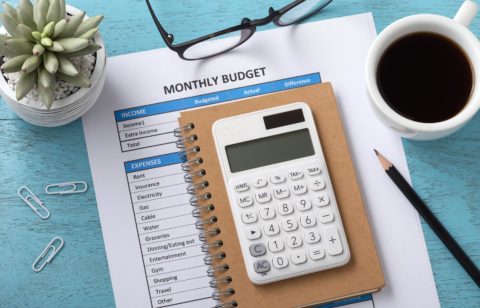
Start by listing all sources of income, then track your regular expenses like rent, utilities, groceries, and loan payments. Don’t forget small costs, like subscriptions or daily coffee runs—they add up.
Next, decide how much to set aside for savings, debt repayment, and discretionary spending. Many people find it helpful to use a simple budgeting method, such as the 50/30/20 rule—where 50% of your income goes toward needs, 30% toward wants, and 20% toward savings or debt payments.
If tracking feels overwhelming, try using a free budgeting app or spreadsheet template. These tools can categorize your expenses automatically and help you spot areas where you might save.
Most importantly, treat your budget as a living plan. Review it every month, make adjustments when needed, and celebrate when you hit your targets. A budget that works for you will help make your financial goals feel achievable, not restrictive.
Build an Emergency Fund
Unexpected expenses can derail even the best financial plans. That’s why building an emergency fund is one of the most valuable money goals you can set for the year.
An emergency fund acts as a safety net for sudden costs—like medical bills, car repairs, or a temporary loss of income. Financial experts often suggest saving enough to cover three to six months of essential living expenses, but it’s completely fine to start small. Setting aside even a few hundred dollars can make a difference.
To make saving easier, try automating transfers to a separate savings account each payday. You’ll be less tempted to spend the money if it’s out of sight. You can also add small windfalls—like a tax refund or bonus—to your fund.
The Consumer Financial Protection Bureau (CFPB) notes that having some emergency savings, even a modest amount, can help people recover more quickly from financial setbacks. The key is consistency—regular contributions, no matter how small, help your fund grow over time.
Plan for the Future
Once you’ve built a foundation for short-term goals, it’s time to think about your future financial health. Planning ahead helps you stay focused and gives you a sense of control over your money.
If your budget allows, consider setting aside money for long-term goals such as retirement, education, or a major purchase. Even small, consistent contributions to a savings or investment account can add up over time.
If you have access to a retirement plan through your employer, such as a 401(k), you may want to review your contribution rate and see if there’s room to increase it gradually. If that’s not an option, you could explore opening an individual retirement account (IRA) through a reputable financial institution.
Keep in mind that everyone’s financial situation is different, and it’s okay to start wherever you are. The most important step is to begin planning—and to keep adjusting your goals as your circumstances change.
Stay Organized and Revisit Your Goals
Setting financial goals is just the beginning. Staying organized and checking your progress regularly helps you stay on track throughout the year.
Try reviewing your budget and goals at least once a month. Look at what’s working and where you might need to adjust. If you notice you’re spending more than planned in one area, look for small ways to rebalance—like cooking at home more often or pausing an unused subscription.
Keeping your financial information in one place also helps. Whether you use a budgeting app, spreadsheet, or simple notebook, track your balances, payments, and savings in a way that’s easy to update. Over time, you’ll start seeing patterns that can guide your decisions and motivate you to keep going.
It’s also okay if your priorities shift. Life changes—new jobs, family needs, or unexpected expenses can all affect your plans. Revisiting your goals ensures they stay realistic and aligned with what matters most right now.
Keep Perspective
Reaching your financial goals doesn’t happen overnight, and that’s okay. Progress is rarely a straight line—setbacks are part of the process.
If you miss a savings target or need to adjust a budget category, don’t see it as failure. Instead, use it as a chance to learn what’s realistic for you. Each small win, like paying down a little more debt or saving for a specific goal, builds long-term confidence and stability.
What matters most is consistency. By focusing on manageable goals and tracking your progress, you can create lasting financial habits that support your future.
Starting fresh in the new year is about more than resolutions—it’s about building habits that help you feel more in control of your money, one small step at a time.