
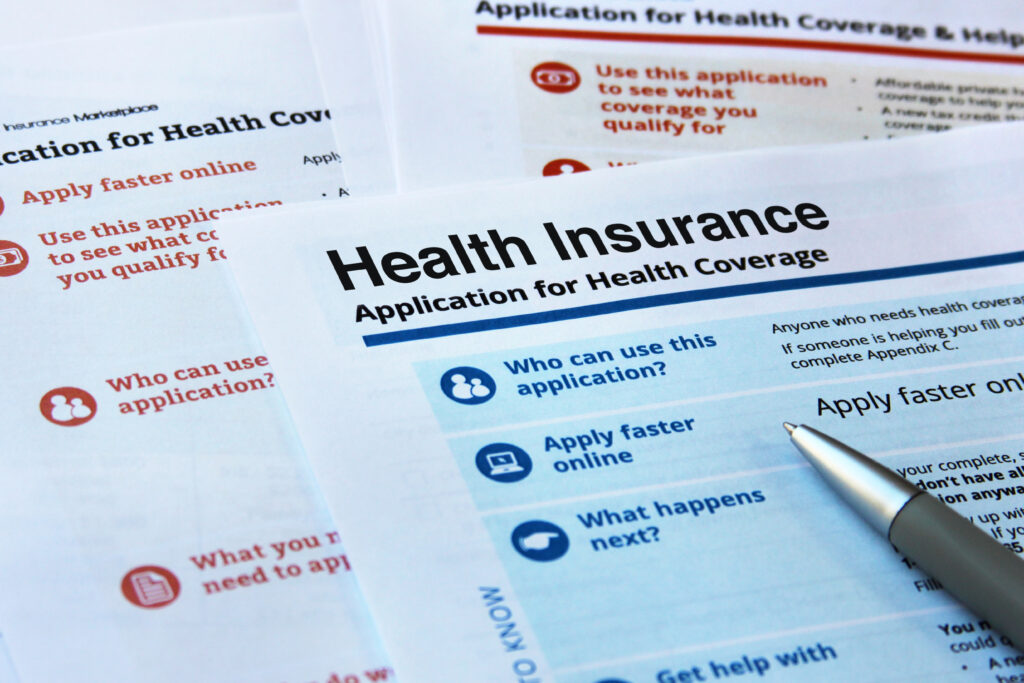
Medical bills can quickly become overwhelming, even if you have health insurance. A sudden emergency, unexpected surgery, or gap in coverage may lead to debt that is hard to manage.
Fortunately, there are more tools, programs, and support systems than ever before to help ease the burden.
Understanding Medical Debt in 2025
Even with health insurance, many people still face medical bills they can’t afford. High deductibles, uncovered treatments, and surprise charges can all add up fast.
Common reasons people end up with medical debt include:
- Emergency care or hospital stays
- Out-of-network services
- Gaps in insurance coverage
- Ongoing treatment for chronic conditions
If you’re dealing with these costs, there are steps you can take to get help with medical bills.
Government and Public Assistance Programs
Several government programs may help lower medical bills or reduce out-of-pocket costs, depending on your income and situation. While many of these programs focus on preventing future debt, some may also help with existing bills under certain conditions:
- Medicaid and CHIP: These programs offer free or low-cost health coverage for people who have a limited income. In many states, Medicaid can cover medical bills from up to three months before you applied for the program, as long as you were eligible at the time of service. This retroactive coverage may help reduce existing medical debt.
- State and local programs: Some states offer targeted support for unpaid medical bills, including emergency financial aid or debt management programs. This support varies by location, so check with your state’s health department or insurance exchange for details.
Applying for these programs usually involves proving that your income meets eligibility requirements and offering other personal details, but the potential savings can be worth the effort.
Other Options
Here are some options that may be helpful for future medical bills, leaving you with more money in the budget to cover current medical expenses.
- Medicare savings programs: If you have Medicare and a limited income, these programs may help you pay premiums, deductibles, and co-pays. They can reduce future costs and free up money for other bills.
- ACA marketplace subsidies: These apply to health insurance coverage. They can make ongoing care more affordable and help prevent more bills from piling up.
Hospital Financial Aid and Charity Care
If you’ve received care at a nonprofit hospital and can’t afford the bill, you may qualify for financial help, even if you have insurance.
Most nonprofit hospitals are legally required to offer charity care or financial assistance programs. These programs may reduce or even erase your bill, depending on your income and how much you owe.
Here’s how to get started:
- Look for the hospital’s financial assistance policy. This should be available online or through the billing department.
- Complete the application. You’ll likely need to provide proof of income, recent tax returns, and details about your medical expenses.
- Check eligibility guidelines. Many hospitals offer full or partial relief to patients earning up to 200%–400% of the federal poverty level.
It’s important to apply as soon as you know you’ll have trouble paying. Can you negotiate medical bills in collections? Yes, in some cases, hospitals may forgive charges after they’ve gone to collections. However, it’s easier to qualify before your financial troubles reach this stage.
Ways to Manage Medical Bills Before Collections
The best time to deal with a medical bill is before it goes to collections. Acting early can help you avoid added fees, credit damage, and stress.
Here are steps you can take:
- Request an itemized bill. This lets you see every charge and catch errors or duplicate fees. Medical billing mistakes are common.
- Compare prices. Use tools like Healthcare Bluebook or Fair Health to check if you were charged a fair rate.
- Call the billing department. Many providers are willing to offer a discount or set up a payment plan if you explain your situation.
- Ask for a prompt-pay discount. Some providers will lower your bill if you can pay a reduced amount quickly.
- Consider a medical billing advocate. These professionals review bills for errors and negotiate on your behalf, especially in complex cases.
Being direct and polite when you contact the provider can go a long way. Always take notes during the call and ask for written confirmation of any agreements.
What to Know If Your Medical Bills Are in Collections
If your medical bill has already gone to collections, you still have options. However, it’s important to proceed carefully.
Here are some steps to consider:
- Confirm the debt is accurate. Ask for a written validation notice that shows what you owe and which organization you are supposed to pay. Mistakes can happen, especially when bills are transferred to collection agencies.
- Negotiate a settlement. You may be able to offer a lump-sum payment that’s less than the full amount owed. Collection agencies often accept lower payments to close an account.
- Ask about a payment plan. If a lump-sum payment isn’t possible, request a monthly payment plan that works with your budget.
- Be cautious with “pay-for-delete” offers. Some collectors may say they’ll remove the debt from your credit report if you pay, but this isn’t guaranteed and may not follow credit-reporting rules. If you pursue this route, always get any agreement in writing.
- Know your rights. Debt collectors must follow the rules in the Fair Debt Collection Practices Act (FDCPA). Under these rules, they can’t harass you or call at odd hours.
If you’re unsure how to proceed, a nonprofit credit counselor can help you understand your options.

Newer scoring models like FICO 9 and VantageScore 4.0 reduce the impact of paid collections on your credit score. Some lenders — like mortgage lenders — may still use older models that count all collection accounts, paid or unpaid.
Community and Nonprofit Support
If you’re struggling with medical bills, nonprofit groups and local resources may offer meaningful help. While they might not erase all of your debt, they can provide financial aid, case management, or connections to additional support.
Such organizations include:
- Undue Medical Debt: Formerly RIP Medical Debt, this nonprofit buys and forgives bundled portfolios of medical debt for individuals who qualify — typically those earning up to 400% of the federal poverty level or whose medical debt exceeds 5% of their annual income.
- Patient Advocate Foundation: This nonprofit offers case management and small grants to people with chronic or serious illnesses. Grants can cover non-medical expenses such as housing, utilities, and transportation, depending on the program and eligibility.
- United Way 211: Dialing 211 connects you with local help, including assistance with health care costs, prescriptions, and transportation.
- Community health clinics: Many clinics provide sliding-scale services based on your income and family size. They offer affordable care and may assist with billing issues if you’re uninsured or underinsured.
- Faith-based and local charities: Organizations such as the Society of St. Vincent de Paul and local churches may provide one-time financial aid or connect you to larger safety net services.
Planning Ahead to Avoid Future Medical Debt
While some medical costs are unpredictable, a few simple steps can reduce your risk of falling into debt:
- Build an emergency fund. Even a small savings buffer — such as $500 to $1,000 — can help cover urgent expenses including copays, prescriptions, or out-of-network charges. Consider using a budgeting app to set savings goals.
- Understand your insurance coverage. Review your health plan each year so you know what’s covered, what your deductible is, and how much you might pay out of pocket. If you’re unsure, call your insurance provider and ask for a breakdown.
- Check bills carefully. Medical billing errors are common. Always review your explanation of benefits (EOB) and provider bills. If something looks off, ask for an itemized bill.
- Use preventive care. Many health plans include free or low-cost screenings, vaccines, and annual checkups. Preventing illness — or catching it early — can save money in the long run.
Planning ahead doesn’t eliminate risk, but it can give you more control when medical expenses come up.
Taking Charge of Your Health Care Costs
Medical bills can be stressful, but you’re not powerless. By understanding your options, asking questions, and using available resources, you can take steps to manage what you owe and avoid future debt.
Whether it’s negotiating with providers, applying for assistance, or checking for billing errors, being proactive can make a big difference.