
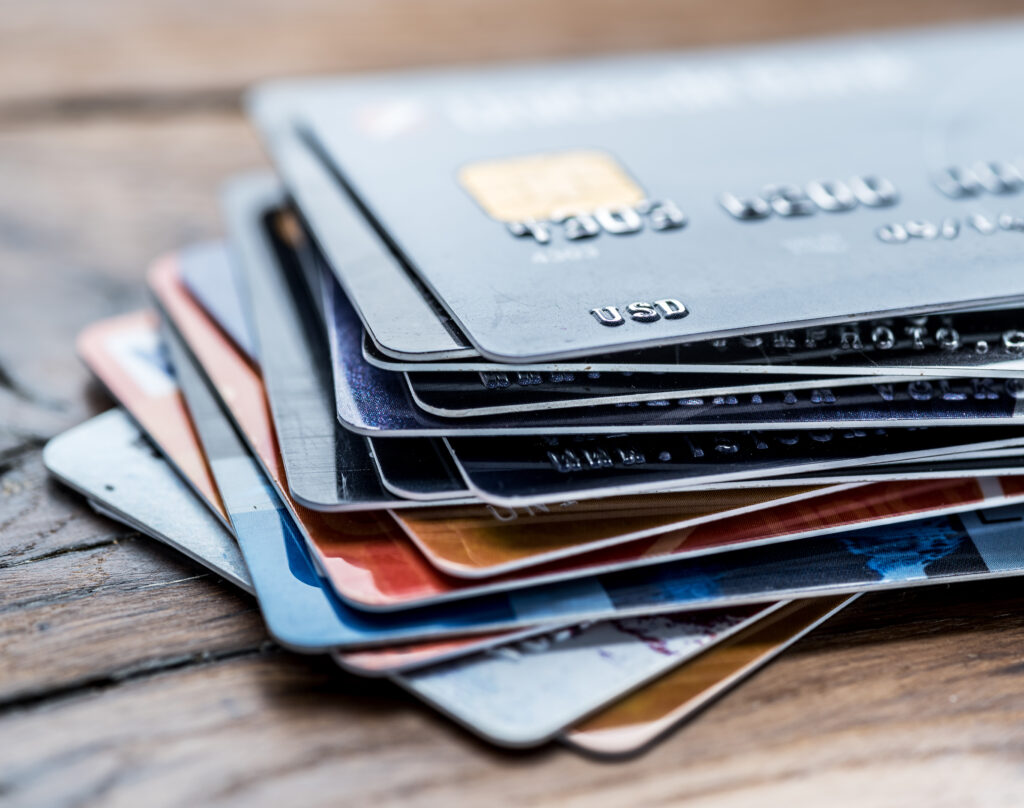
Thinking about closing a credit card? It might seem like a simple way to reduce clutter or avoid annual fees—but it’s worth pausing before you make that call. Depending on your situation, closing a card could change how much of your credit you’re using, shorten your credit history, or potentially even affect your overall score.
What Happens When You Close a Credit Card
Closing a credit card can affect your credit score, but the impact depends on a few different factors. Here’s what to consider before you cancel a card:
Your Credit Utilization Might Go Up
Credit utilization is the amount of credit you’re using compared to your total available credit. If you close a card with a high credit limit, your total available credit decreases. This can increase your credit utilization ratio, which may negatively impact your credit score. According to the Consumer Financial Protection Bureau, “Closing an existing card can increase your credit utilization ratio and lower your score.”
It Could Shorten Your Credit History
The length of your credit history contributes to your credit score. While closed accounts can remain on your credit report for several years, they no longer count toward the average age of your open accounts. This might make your credit history appear shorter, especially if you close one of your oldest cards. Experian notes that closed accounts in good standing can remain on your credit report for up to 10 years, but they may eventually stop contributing to your credit history length.
Safer Ways to Close a Credit Card
If you decide to close a credit card, taking the right steps can help avoid unexpected fees or damage to your credit. Here’s how to do it safely:
Pay Off the Balance
Before you close the account, make sure the balance is fully paid. Leaving a balance could lead to interest charges or missed payments. It may also keep the account active longer than you expect.
Redeem Any Rewards
If your card earns points, miles, or cash back, use those rewards before closing. Some issuers may cancel unclaimed rewards once the account is closed.
Cancel Any Automatic Payments
Check for subscriptions or bills linked to the card. Switch them to another payment method so you don’t miss a payment after the account is closed.
Contact Your Card Issuer
Call your card company to request the account closure. Ask whether there are any remaining charges and confirm the account will be closed with a zero balance. In some cases, the issuer may offer to switch you to a no-fee version instead of closing the account.
Request Written Confirmation
Ask for a letter or email confirming the account has been closed. Keep this for your records in case there are any errors on your credit report later.
Check Your Credit Report
After a few weeks, review your credit report to make sure the account is marked as “closed.” If it’s not, you can file a dispute with the credit bureau or contact the card issuer directly.
Other Options to Consider
Before you cancel a credit card, you may want to look at other ways to manage fees or simplify your finances without hurting your credit.
Downgrade to a No-Fee Version
Some card issuers offer no-annual-fee versions of their cards. Downgrading lets you keep the account open and maintain your credit history while avoiding future fees. Ask your issuer if this is an option.
Request a Credit Limit Increase on Another Card
If you’re closing a card to reduce available credit, you could ask for a credit limit increase on one of your remaining cards instead. This may help keep your overall credit utilization ratio low, depending on your usage.
Use the Card Occasionally
You don’t need to use a credit card often to keep it active. Making a small purchase every few months—and paying it off—can keep the account open and in good standing. This can help preserve your credit history and available credit without adding debt.
When Closing Might Still Make Sense
Sometimes, closing a credit card is the right move—even if it may affect your credit score. Here are a few situations where it could make sense:
High Annual Fees
If your card has a yearly fee and you’re not using the benefits (like rewards or travel perks), closing it may help you save money. You can also ask about downgrading to a no-fee version.
Too Many Accounts to Manage
Managing multiple cards can be stressful. If simplifying your finances is a priority, closing one or two accounts could make things easier.
Temptation to Overspend
If a credit card makes it too easy to overspend, closing the account could help remove the temptation. This may support long-term financial habits, even if it has the chance to cause a small credit score dip in the short term.
Final Thoughts
Closing a credit card can affect your credit, but it doesn’t always mean damage. The impact depends on things like your credit utilization, account history, and how you manage your other credit. If you do decide to close a card, take steps to do it the right way—and consider alternatives like downgrading or using the card sparingly.
Every situation is different. What matters most is choosing what supports your financial goals.