
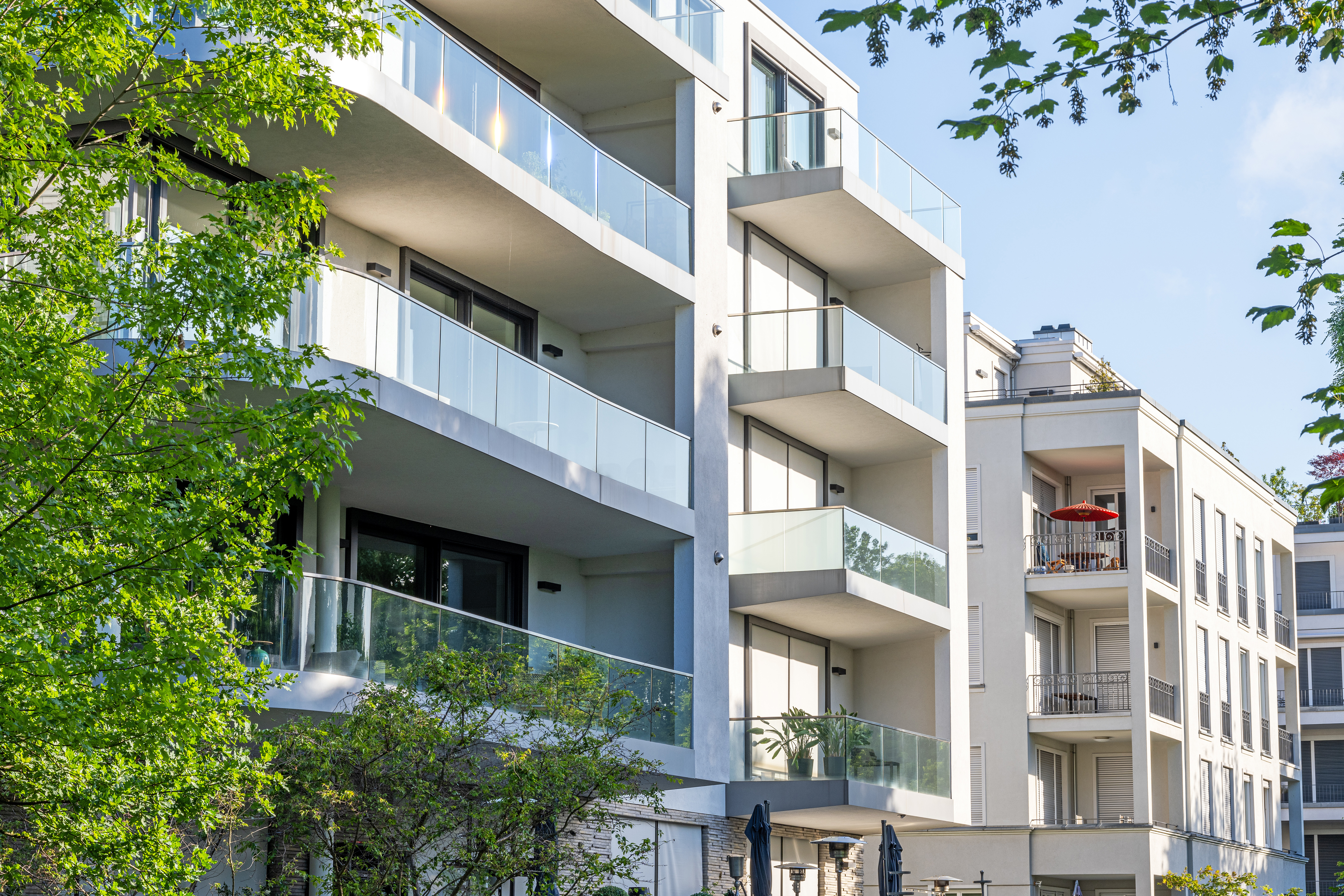
Rental properties can be a great investment for anyone looking to build a steady income and grow long-term wealth. But the hidden costs of rental properties these days mean you have to look beyond the rent checks and really understand what it takes to keep your investment profitable.
Yes, the idea of passive income is appealing. But without planning for these surprise expenses, what looks like profit on paper can quickly disappear in reality.
That’s why it’s so important to go in with your eyes open and a plan in place. With the right preparation, you can handle these costs confidently and still enjoy the rewards of being a property owner.
Property Maintenance and Repairs
One of the most underestimated costs of owning a rental property is ongoing maintenance. No matter how new or well-built a property is, things will eventually break, wear out, or need replacement.
Even if your tenants take great care of the place, normal wear and tear is just part of the deal. And while it can feel frustrating when unexpected repairs pop up, planning ahead can make them much easier to handle.
Common maintenance expenses include:
- HVAC repairs or replacements
- Plumbing system maintenance
- Roof repairs or replacements
- Broken appliances
- General wear and tear
Even with the most respectful tenants, things like heating, plumbing, or appliances are going to need fixing at some point. And then there’s the usual wear and tear: paint touch-ups, floor repairs, roof leaks and more.
Vacancy Costs
Vacancies are inevitable, and they can be more expensive than most landlords expect. When a tenant moves out, the rent stops coming in, but the bills don’t stop.
It’s a stressful moment for any landlord, but it’s also part of the normal rental cycle. The key is to remember that vacancies happen to everyone, and with a little planning, you can ride through them without losing sleep.
During a vacancy, you’re still responsible for:
- Paying off the mortgage
- Property taxes
- Insurance
- Utilities (in many cases)
- Marketing costs to find new tenants
Every month without a tenant represents lost income. Even a short vacancy of two to three months can seriously affect your annual return.
 Tip:
Many property owners and investors set aside part of their rental income each month into a “vacancy fund.” That way, if the place sits empty for a while, you’ve still got money to cover the bills without having to tap into your own savings.
Tip:
Many property owners and investors set aside part of their rental income each month into a “vacancy fund.” That way, if the place sits empty for a while, you’ve still got money to cover the bills without having to tap into your own savings.
Property Management Fees
If you’re managing your own rental, you can save on this expense, but at the cost of your time and energy. If you hire a professional property management company, expect to pay 8% to 12% of monthly rental income, plus extra fees for tenant placement, lease renewals and maintenance coordination.
While property management can free up your time, it reduces your cash flow significantly, especially if you own only one or two rentals.
Tip:
Weigh the true value of your time versus the cost of management. Sometimes, self-managing with good software tools can save thousands annually.
Property Taxes and Assessments
Property taxes are unavoidable, but what surprises many property owners and investors is how frequently they increase. If your rental is in an area with rising property values, expect annual tax hikes that can erode profits.
Some municipalities may also charge special assessments for neighborhood improvements like sidewalks, sewer upgrades, or streetlights.
Insurance Costs
Unlike your personal home, rental properties require more than standard homeowner’s insurance. You’ll need landlord insurance, which typically costs 15% to 25% more than a homeowner’s policy. This covers not only the building but also liability if tenants or visitors get injured on the property.
Other hidden insurance-related costs may include:
- Flood insurance for properties in a high-risk zone
- Umbrella policies for added liability coverage
- Loss of rent coverage, in case your place becomes unlivable after a disaster
Legal and Compliance Costs
Landlords have legal duties beyond just maintaining the property. From permits to inspections, your location may come with required costs you’ll need to budget for, such as:
- Eviction filings and attorney fees
- Lease agreement drafting and updates
- Compliance with housing codes and safety regulations
- Licensing or registration fees for rental properties
For example, in some cities, property owners must register their properties and undergo annual inspections, all of which come with fees.
Utilities and Services
Even if tenants pay for most utilities, property owners may still cover some expenses. These may include:
- Water and sewer
- Trash collection
- Landscaping or snow removal
- Pest control
Over time, these recurring bills add up. If your lease doesn’t clearly define who pays for what, you could be stuck covering more than you planned.
Upgrades and Renovations
If you’re new to rental property ownership, here’s one thing to keep in mind: tenants notice the little details. Rentals that look clean, modern and well-maintained tend to rent faster and often at a higher price.
Examples of common upgrades include:
- Kitchen remodeling
- New flooring or carpets
- Energy-efficient windows
- Bathroom renovations
Even small upgrades like fresh paint, better lighting, or updated appliances come with costs that can affect your budget.
Homeowners Association Fees and Special Rules
If your rental is in a neighborhood with a homeowners association (HOA), you’ll have to pay their monthly or yearly dues.
But that’s not all. HOAs can also charge one-time “special assessments” for big repairs like a new roof, updated parking lots, or pool renovations. These surprise bills can run into the thousands.
Tip:
Always read the HOA rules before buying. Some places have restrictions on how and even if you can rent out your property.
Tenant-Related Costs
Even with good screening, tenants can cause unexpected rental property expenses. Some of these include:
- Unpaid rent (and the legal costs to recover it)
- Property damage beyond the security deposit
- Abandoned belongings requiring disposal
- Excessive wear and tear requiring premature replacements
While tenant security deposits help, they rarely cover the full extent of serious damage.
Financing and Interest Costs
If you’re financing your rental property with a mortgage, interest costs make up a significant portion of your monthly payments, especially in the early years. Rising interest rates can also make refinancing or expanding your portfolio more expensive.
In addition, some lenders require higher down payments, mortgage insurance, or stricter loan terms for investment properties compared to primary residences.
Tips to Help You Plan Ahead for the Hidden Costs of Rental Properties
Planning ahead for the hidden costs of rental properties is important if you want to protect your investment and avoid unexpected financial stress later on.
Many property owners start by budgeting conservatively, where they underestimate rental income and overestimate expenses. These simple habits help you stay prepared for vacancy periods, late payments, or surprise repairs.
Here are some other tips to budget for unexpected landlord costs and expenses as a rental property owner:
- Create an emergency fund
Set aside 1% to 2% of the property’s value each year for repairs, maintenance, or sudden issues. - Stay up to date with local laws
Understanding landlord-tenant laws helps you avoid fines, lawsuits, or compliance issues. - Get a professional inspection
Always inspect a property before buying to uncover hidden damage or costly repairs. - Invest in the right insurance
Choose landlord insurance, and consider flood or rent loss coverage to avoid major out-of-pocket expenses.
Final Thoughts
Owning a rental property can be rewarding, but it’s not as simple as collecting monthly rent checks. Between maintenance, vacancies, insurance, and other hidden costs, it takes careful planning to keep your investment profitable. By setting aside money for the unexpected, staying informed about your responsibilities, and protecting yourself with the right coverage, you’ll be better prepared to handle surprises. With the right preparation, your rental can still be a strong path to long-term financial growth.