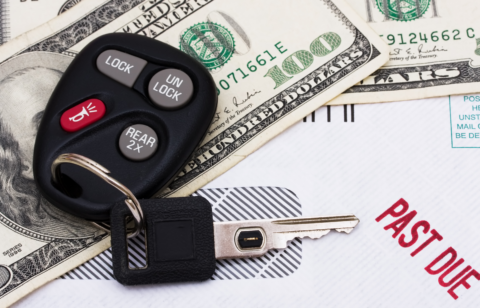

Losing your car to repossession can be overwhelming, especially if you’re already struggling to keep up with bills. Repossession usually happens when a borrower misses car payments, but that’s not the only reason it can occur.
The good news is that you may have options to help you avoid it. From talking to your lender to learning your legal rights, taking action early could give you more control over the situation.
What Is Repossession and When Can It Happen?
Repossession is when a lender takes back a vehicle because the borrower hasn’t followed the terms of the loan agreement. This usually happens after missed payments, but it could also occur for other reasons, like failing to keep the car insured if that’s required by the loan.
Each state has its own rules about repossession. In many cases, a lender doesn’t need a court order and can take the car without warning—as long as they don’t break the law or cause a disturbance. That’s why it’s important to understand what your loan agreement says and know your rights if you fall behind.
For more details on your rights and how repossession works, you can visit the Consumer Financial Protection Bureau.
What You Can Do to Avoid Repossession
If you’re falling behind on your car payments or worried you might soon, there are steps you can take that may help you avoid losing your vehicle. Acting early gives you the best chance to explore your options.
Contact Your Lender Early
If you know you’re going to miss a payment, call your lender as soon as possible. Many lenders are willing to work with borrowers who explain their situation honestly. Depending on your circumstances, the lender might offer to delay a payment or create a short-term plan to help you catch up.
Make sure to keep a record of your conversations, including the date, time, and name of the person you spoke with.
Ask About Payment Deferment
Some lenders offer deferment, which allows you to skip a payment and make it up later. This can be helpful if you’re going through a short-term financial setback. However, the loan may still accrue interest during the deferment, and the skipped payment might be added to the end of your loan term.
Always ask your lender to explain the terms clearly before agreeing.
Consider Refinancing or Modifying the Loan
If your monthly payments are too high, refinancing or modifying your loan might help. Refinancing means taking out a new loan—usually with better terms—to replace your current one. A lower interest rate or longer repayment period could reduce your monthly payment, though it may increase the total interest over time.
Some lenders may also agree to modify your current loan by changing the due date, extending the term, or adjusting the payment amount. You’ll likely need to share proof of income or other financial documents to qualify.
Before moving forward, compare offers from different lenders and check for any fees or penalties.
Sell or Trade In the Vehicle
If keeping your car is no longer affordable, selling it may be an option. You can use the money from the sale to pay off the remaining loan balance, which could help you avoid repossession. If your car is worth more than you owe, you might even have money left over to put toward a more affordable vehicle.
Another option is to trade in your car for one with lower monthly payments. This might help you stay mobile while reducing your financial burden. Before deciding, check your car’s market value and compare it to your loan balance. If you owe more than the car is worth, selling or trading it in may still leave you with remaining debt to repay.
Voluntarily Surrender the Car
If you’ve run out of options, you can return the car to the lender voluntarily. This is called voluntary surrender. It won’t erase the debt, but it may reduce extra fees and avoid the added costs of forced repossession.
A voluntary surrender still affects your credit, but it may be viewed more favorably than a repossession because it shows you took responsibility for the situation. The lender may still bill you for the remaining loan balance after the car is sold.
Know Your Rights
If you’re at risk of vehicle repossession, understanding your rights can help you make informed choices and reduce unnecessary stress. Your protections depend on both your loan agreement and your state’s laws.
State Laws and Lender Requirements
Each state has its own rules about how and when a lender can repossess a vehicle. In many states, a lender can take your car without warning if you’ve defaulted on your loan—but they’re not allowed to breach the peace. That means they cannot enter a closed garage, use force, or cause a public disturbance during the repossession.
Some states may require lenders to send a written notice before repossession or give you a chance to “reinstate” the loan by catching up on missed payments. Others may allow you to “redeem” the vehicle after repossession by paying off the full balance before it’s sold. These rights vary by state, so it’s important to check with your state’s attorney general’s office or a local consumer protection agency to understand what applies to you.
Right to Your Personal Belongings
Even if your car is repossessed, you still have a legal right to retrieve any personal items left inside. Lenders or repossession agents must give you a reasonable opportunity to collect your belongings, although they may set time limits or charge a storage fee. They cannot keep or sell your personal property.
Required Notices After Repossession
In most cases, the lender must send you a written notice after repossessing your vehicle. This is typically required under the Uniform Commercial Code (UCC) and may include:
- Where the car is being stored
- How much you still owe
- When and how the car will be sold
- Your options for reclaiming the vehicle
If you don’t receive a notice or believe the repossession violated your rights, consider contacting your state’s consumer protection agency or a legal aid organization.
Extra Protections for Military Members
Active-duty service members have additional protections under the Servicemembers Civil Relief Act (SCRA). If you took out your auto loan before entering active duty, your lender must get a court order before repossessing your vehicle—even if you’ve fallen behind on payments. This federal law is designed to help protect your financial stability during military service.
Final Thoughts
If you’re behind on your car payments, repossession might feel like it’s just around the corner—but taking early action can make a difference. Whether it’s talking to your lender, looking into refinancing, or understanding your legal rights, there may be steps you can take to keep your vehicle or reduce the damage.