For many households, a car is a necessity. It gets you to work, helps you run errands, and keeps daily life moving. But as car prices and interest rates remain elevated, this essential purchase is becoming a serious financial strain. A growing number of Americans are discovering that their monthly car payment now rivals their rent or mortgage, forcing difficult trade-offs in already tight budgets.
A recent CNN Business report highlights just how common four-figure monthly payments have become. The article opens with the story of National Debt Relief client Melissa Dickerson, a paralegal in Washington state who never expected to pay more than $1,100 a month for a used Acura SUV. While National Debt Relief does not help with auto loans or car payments, Dickerson later turned to the company for help managing unsecured debts that became harder to handle alongside her high car payment. After her previous Acura was totaled in an accident, she found that replacing it meant accepting a much higher price, a 15% interest rate, and a six-year loan. The jump from a $400/month payment to one topping $1,000 was jarring, and it quickly rippled through the rest of her finances.
Dickerson’s experience reflects what many National Debt Relief clients are facing . According to a survey conducted by National Debt Relief in January 2026, about 59% of currently enrolled clients carry an auto loan, and nearly one in five of those borrowers have monthly payments of $1,000 or more. These high payments often compete directly with basic expenses like housing, food, and utilities, leaving little room for error when costs rise elsewhere.
According to data from Edmunds cited by CNN Business, more than 20% of new car buyers in Q4 of 2025 agreed to monthly payments of $1,000 or more. High vehicle prices and elevated borrowing costs are colliding at a time when everyday expenses are also higher. Even used cars, once a more affordable option, now come with monthly payments that would have seemed extreme just a few years ago.
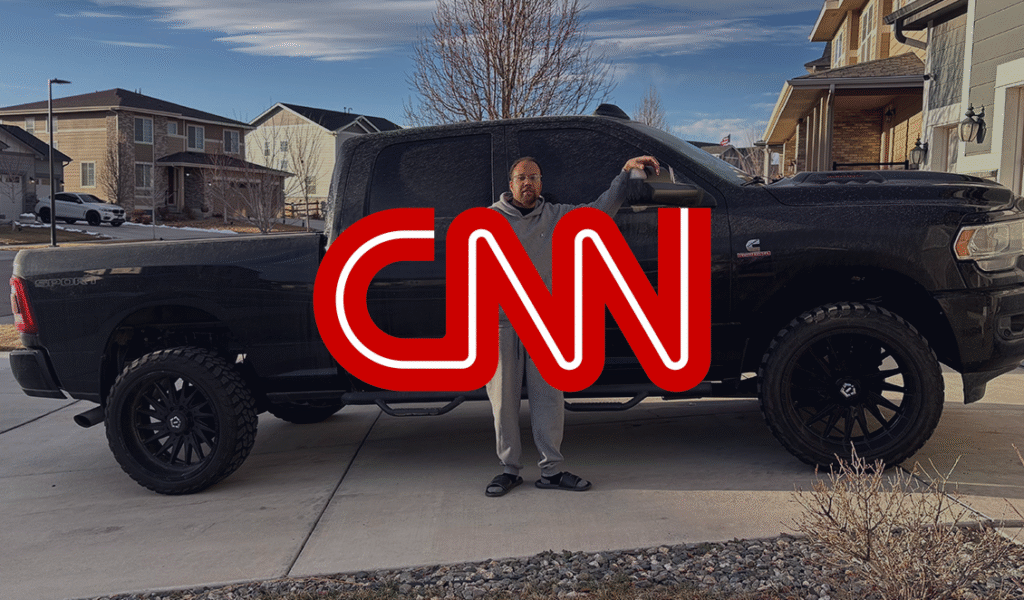
The article also shares the story of National Debt Relief client Ravi Stephens II, a Colorado resident who took out a seven-year loan with payments just over $1,000 a month to purchase a pickup truck for a business venture. While he initially felt confident he could manage the expense, rising costs and economic uncertainty eventually made the loan feel burdensome. Like Dickerson, Stephens found himself stretched thin, needing to find extra income just to keep up.
Both borrowers remain current on their auto loans but turned to National Debt Relief for help managing growing credit card balances. That pattern shows up often in client data. While car payments tend to be prioritized, the pressure can push other debts out of balance. In fact, according to a survey conducted by National Debt Relief in January 2026, 12% of National Debt Relief clients surveyed reported having a vehicle repossessed at some point, with 3% experiencing repossession within the past two years.
CNN Business’s reporting paints a clear picture of how auto debt is reshaping household finances across the country. For readers navigating similar challenges, the article offers valuable context—and a reminder that help exists for managing the broader debt pressures that often come with high car payments.