
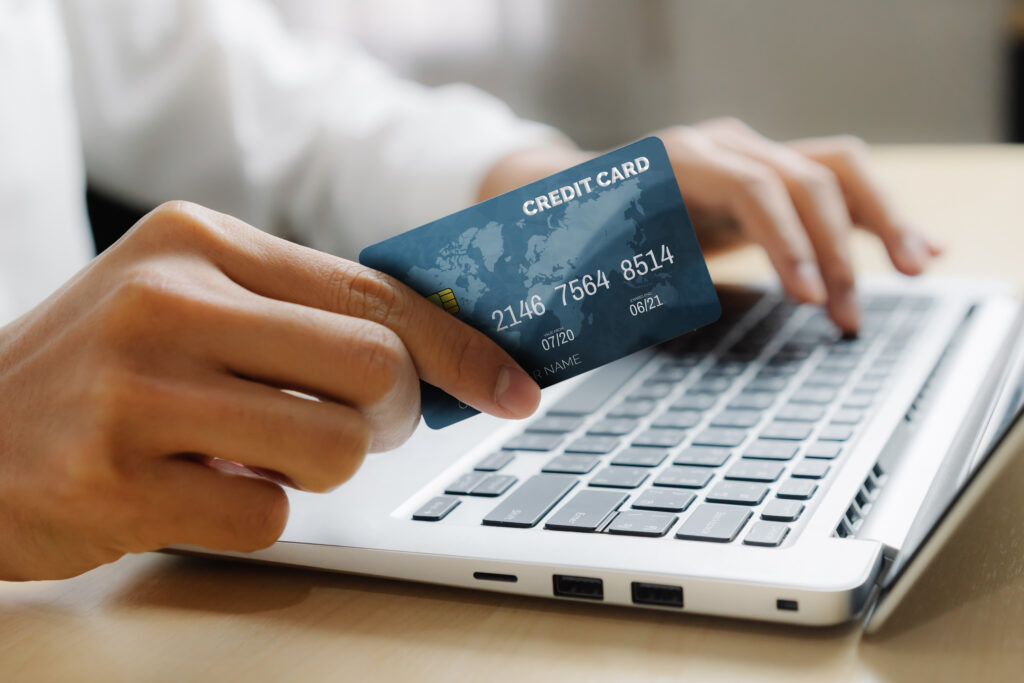
Credit cards aren’t evil, but they’re not always a blessing either. Like any tool, they work for you or against you depending on how you use them. The key to using credit cards wisely is understanding how they work and having a plan before you swipe.
This blog breaks down responsible credit card use, when they help, when they hurt, and how to avoid the debt trap.
People Also Read


How To Use Credit Cards Wisely
It’s often best to use a credit card only for purchases you can afford to pay off by the end of the billing cycle, and have a plan to pay that balance.
On a practical level, this means:
- Charge only what you’ve budgeted for.
- Track your spending during the month.
- Pay your statement balance in full before the due date.
If you do those three things, credit cards are more likely to work for you rather than against you.
When Credit Cards Are Helpful
Credit cards can provide some genuine benefits:
- Convenience: Paying by card can be simpler than carrying cash.
- Fraud protection: If someone uses your credit card to commit fraud, credit card companies have rules that protect you.
- Rewards: It could be possible to earn cash back or points on spending you were already planning to do.
- Float time: You can charge something early in the month and pay at the end. That’s real flexibility.
The catch is that all of these benefits only work if you’re paying your balance in full each month. Carry a balance at 20%+ APR? The benefits disappear fast.
Why Minimum Payments Are a Trap
Making only the minimum payment keeps your account in good standing, but it does very little to reduce what you owe. Most minimum payments are calculated as a small percentage of your balance, often around 1% to 2%, plus interest and fees.
For example, if you have a $5,000 credit card balance with a 20% APR, your minimum payment might be around $100. While that may seem manageable, a large portion of each payment goes toward interest rather than reducing the principal balance.
As a result, it can take years—sometimes decades—to pay off the debt if you only make minimum payments. During that time, interest continues to accumulate, increasing the total cost of borrowing. That’s why minimum payments can create the illusion of progress while keeping you in debt far longer than expected.
When Credit Cards Become a Problem
Credit cards become a problem when they shift from a convenient payment tool to something you rely on to cover everyday expenses. In other words, instead of using them for convenience or rewards, you’re using them to make up for a gap in your budget.
A few warning signs to watch for include relying on credit cards because you don’t have cash available, watching your balance steadily grow rather than shrink, or struggling to consistently make more than the minimum payment.
If any of these feel familiar, it may be a sign that credit cards are starting to work against your financial goals rather than supporting them.
What About Rewards?
Rewards can be great, but it’s important to do the math. A typical cash back card gives 1-2% back. That means $100 in planned spending yields $1- $2 back.
That’s helpful if you’re paying in full. But if you’re carrying a balance at 18% APR? That $1 in rewards gets wiped out by interest in about a week.
Rewards only benefit you if you’re not paying interest. If you’re paying interest, rewards aren’t worth it.
How To Avoid Credit Card Debt
To avoid credit card debt, it can be helpful to:
- Budget first: Decide what you’ll charge this month before you swipe.
- Use cards for planned purchases: This includes groceries, gas, regular bills—things already in your budget.
- Track your spending: Check your balance mid-month so you don’t overshoot.
- Pay in full every month: If you can’t pay in full, pay as much as you can and make a plan to pay it off next month.
- If balances are building, stop using the card: Instead, focus on paying down what you have.
These habits keep credit cards working for you instead of against you.
The Bottom Line
Credit cards are best viewed as payment tools, not extra money. They can be useful for convenience and rewards, but never as a substitute for budgeting or income you don’t have. The easiest way to avoid interest is by paying in full every month.