
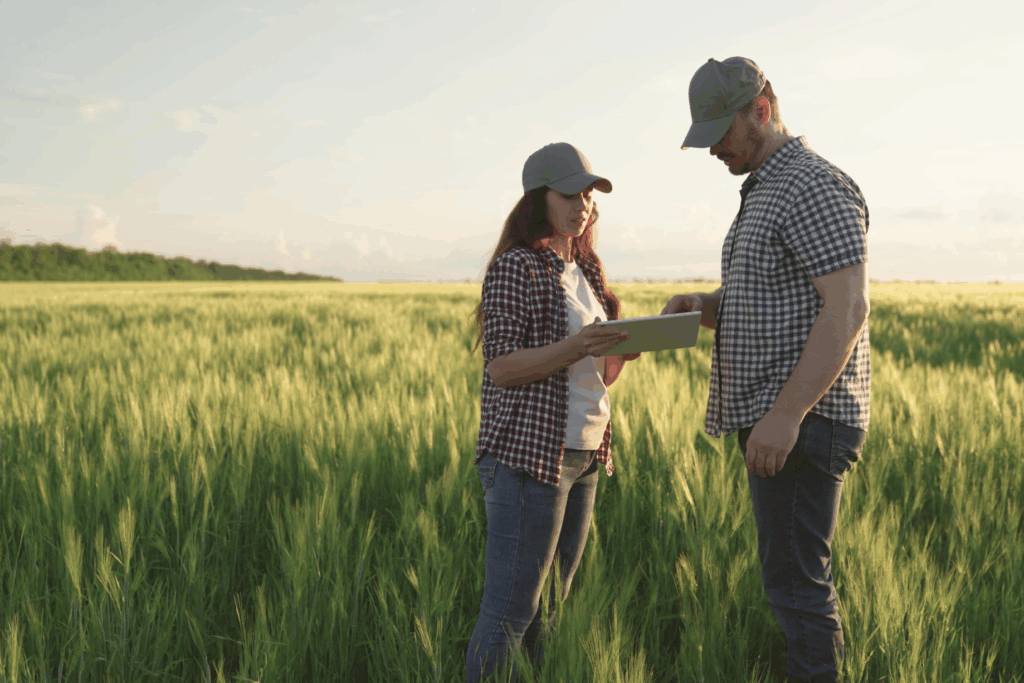
From purchasing land and equipment to covering seeds and labor costs, farming requires a lot of capital. Many farmers use loans to help finance their operations, but grants can be an attractive alternative.
Here’s what you should know about them, including how they work, some key opportunities to consider, and how to qualify.
What Are Grants for Farmers?
Grants for farmers are funds that don’t require repayment. They often come from the U.S. Department of Agriculture (USDA), state agriculture departments, or nonprofit organizations.
In addition, grants are typically designed to promote specific goals. For example, that might include adopting sustainable practices or supporting farmer education and training. Many grant programs also prioritize support for small farms, beginning farmers, and underserved communities, including those facing business debt.
Because grants are competitive, you must meet eligibility criteria and submit detailed proposals outlining how the funds will be used to qualify.
Key USDA Grants for Farmers
The USDA offers a variety of grant programs, most funded through the Farm Bill. Here are some of the most significant.
Rural Energy for America Program (REAP)
REAP helps farmers pay for clean energy or energy-saving upgrades—solar panels, wind turbines, HVAC systems, and more.
What it covers:
- Solar, wind, biomass, geothermal, hydropower
- Insulation, lighting, HVAC
- Energy-efficient farm equipment
Grant size:
- Clean energy: $2,500–$1 million
- Energy efficiency: $1,500–$500,000
Who qualifies: Farmers and rural small businesses in towns under 50,000 people.
Requirements:
- You must pay at least 25% of the cost
- Energy audits required for efficiency projects
- No unpaid federal taxes or debts
Environmental Quality Incentives Program (EQIP)
EQIP offers funding and technical help to improve land and water.
What it covers:
- Cleaner water and air
- Soil health
- Water conservation
- Wildlife habitat
- Drought and weather resilience
Who qualifies: Farmers, forest owners, and Tribes
Value-Added Producer Grant (VAPG)
VAPG helps farmers turn raw goods into new products—like milk into cheese or fruit into jam.
Two grant types:
- Planning grants (up to $75,000): Business plans, market research
- Working capital grants (up to $250,000): Processing, marketing, salaries
Who qualifies: Farmers, co-ops, and farm businesses
Other Agricultural Grants Worth Knowing
- Farmers Market Promotion Program (FMPP): Supports direct-to-consumer sales like farmers markets and CSAs
- Beginning Farmer and Rancher Development Program: Funds training programs for new farmers
- 2501 Program: Helps veterans and underserved farmers with training and USDA access
- Urban Agriculture Grants: Supports community gardens, rooftop farms, and indoor growing
- Specialty Crop Assistance: Offers technical help for fruit, vegetable, and niche crop growers
State and Local Agricultural Grants
Many states and localities offer their own grants for farmers. Check with your state’s Department of Agriculture or local extension office for current options.
Nonprofit and Private Farm Grants
Groups like Farm Aid and the National Young Farmers Coalition offer grants, especially for new and underserved farmers. These are often easier to apply for than federal programs and can be a great starting point.
Who Qualifies for a Farm Grant?
Requirements vary, but most programs look for:
- U.S. citizenship or legal residency
- Active involvement in farming
- A clear business or conservation plan
- Income or farm size limits (especially for small farms)
How to Apply
Start with your local USDA Service Center. They can help you figure out what you qualify for. You can also search Grants.gov or your state’s agriculture department.
Steps:
- Find the right program
- Read the rules carefully
- Gather documents (tax returns, farm plans, cost estimates)
- Write a clear proposal
- Submit before the deadline
Match USDA priorities (like conservation or community impact) to improve your chances. Your local Natural Resources Conservation Service (NRCS) office can provide help.
Tips for Success
- Start early: Some grants take months to review
- Be specific: Show how the money will help
- Track deadlines: Late applications may be rejected
- Ask for help: Extension agents and farm groups can guide you
- Keep good records: You’ll need proof of land and finances
New grants open all the time. Check the USDA website regularly. Funding levels and priorities can shift with each Farm Bill (usually every five years). Staying informed gives you a better shot at success.
Final Thoughts
Grants can be a game-changer, especially when money is tight. Whether you’re applying for USDA programs or nonprofit support, there are lucrative opportunities out there.
With a solid plan and persistence, you can secure funding to grow your farm, protect your land, and build a stronger future.