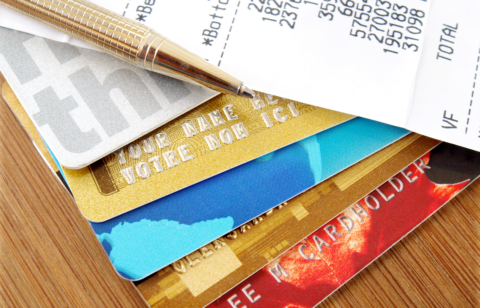

Paying credit cards with another credit card sounds like a quick fix when cash is tight. In most cases, one card issuer usually will not let another card act as the payment method. A few workarounds exist, but costs can stack up fast.
Paying a Credit Card With Another Credit Card
People often ask, “can you pay a credit card with another credit card?” Most issuers don’t accept a credit card as the payment method for another credit card bill, and one major issuer notes you can’t directly pay your monthly credit card bill using another credit card.
That is why the usual answer is no. The payment screen is usually built for a bank account, debit payment, or bill pay service, not another revolving credit line.
Why Issuers Usually Block It
A direct card-to-card payment can look like debt cycling. It shifts a balance around without reducing what is owed.
Cash advance pricing is another reason. The CFPB explains that a cash advance can be expensive, often with fees and a higher interest rate than purchases, and interest on a cash advance starts as soon as you withdraw your money.
The policy reason why you can’t pay a credit card with another credit card is that issuers do not want one expensive form of borrowing quietly turning into another.
Can You Pay Your Credit Card With Another Credit Card Using a Balance Transfer?
A balance transfer is the most common way to move debt from one credit card to another. Instead of making a payment directly, you transfer the balance to a different card that allows it.
This can help when the new card offers a lower promotional APR. A lower rate may give you time to pay down the balance faster, especially if more of your payment goes toward the principal.
The terms still matter. The CFPB notes that a promotional balance transfer rate must last at least six months, unless a payment is more than 60 days late.
Fees are also important to check. The CFPB defines a balance transfer fee as a charge for moving a balance to another card. Even with a 0% promotional rate, this fee may still apply.
A balance transfer is the most common workaround. Rather than paying the old card directly, a new card or an existing card that allows transfers takes on the balance.
Common Workarounds and Their Tradeoffs
A balance transfer moves debt. It does not erase it. The total balance often stays about the same, plus the transfer fee.
Convenience checks work differently. Some issuers mail blank checks tied to your credit line. Writing one of those checks to your card company can feel like can you make credit card payment with another credit card, even though it is really a special type of charge tied to your limit.
The FDIC explains that convenience checks are blank checks from a credit card company, and they can function like a cash advance used to pay bills or transfer balances. That means the rate, fees, and timing can all work against you.

There are strategic ways to use financial products in your favor–but it can also turn into an expensive game of financial whack-a-mole that spirals quickly. Explore other options if you have a financial setback that significantly changes your situation or ability to pay–debt settlement is worth exploring if you find yourself moving balances and still falling behind.
What Fees or Risks Are Involved If You Try This?
People searching “can you make credit card payment with another credit card?” are often trying to avoid a late payment. Ironically, these workarounds can increase cost and stress.
Higher interest right away is a common pitfall. Cash advances and cash-like transactions often skip the grace period and begin accruing interest immediately. Rates for cash advances are often higher than purchase rates.
Upfront fees are another issue. Balance transfers can carry transfer fees, and cash advances often carry transaction fees. A convenience check can add its own fee, too.
Lost promotional rates can happen if you fall behind. Late payments may also trigger late fees and other penalties under your card agreement.
Smarter Alternatives If You’re Short on Cash
When the payment feels impossible, the fastest win is usually communication and damage control, not an expensive workaround.
The CFPB advises people who cannot pay to contact your credit card company immediately and notes many issuers are willing to work with you during a financial emergency. Hardship help varies by company, but it can often include a temporary lower rate or a payment plan.
Balance transfers, personal loans, hardship programs, and minimum payments each solve different problems. The safer choice depends on whether the issue is a short cash gap or a debt load that has become too hard to manage.
A Clearer Path If Debt Keeps Growing
Paying a credit card with another credit card can feel like progress, but it often shifts debt around and adds fees. The better question is whether a workaround actually lowers the pressure or only delays it.
Debt settlement is one option some people explore when they can’t keep up with unsecured debt. It involves working with a company to try to negotiate with creditors to accept less than the full balance owed.
If your debt feels unmanageable, you can find out if you qualify for debt relief and see whether debt settlement could be an option for your situation.