
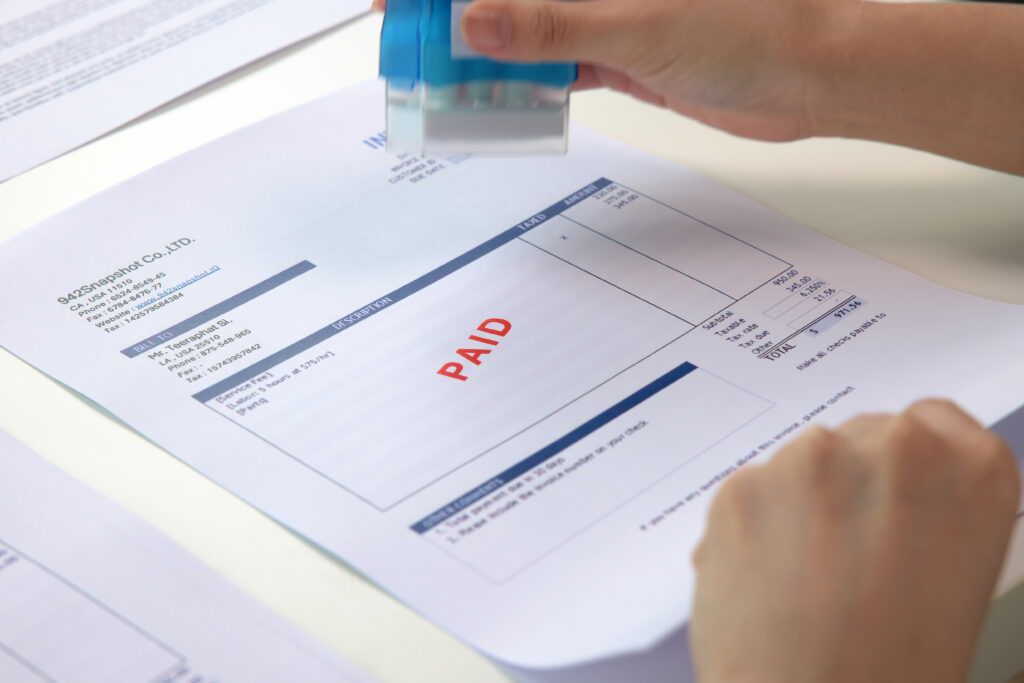
When a debt goes to collections, it can feel overwhelming and stressful. You might get calls or letters from a collection agency asking for payment, and it’s not always clear what your rights are or what steps to take.
There are several ways to deal with collection accounts, including setting up payment plans, negotiating a settlement, or asking for written details about the debt. Understanding these options can help you respond with more confidence.
What It Means When a Debt Goes to Collections
If a debt goes unpaid for a certain period, the original creditor may send it to a collection agency. This agency is now responsible for trying to recover the money. You may start receiving phone calls, letters, or emails asking you to pay.
Collection agencies sometimes buy the debt for less than what was originally owed. In other cases, they may work on behalf of the original creditor. Either way, their goal is to collect payment, either in full or through a negotiated amount.
Your Options for Dealing With Collection Accounts
When a debt is sent to collections, there may be different ways to respond. The right option often depends on your financial situation, the collector’s policies, and whether the debt is accurate.
Requesting Information About the Debt
It’s possible to ask the collection agency for written details about the account. This may include the original creditor’s name, the amount owed, and how the total was calculated. This is called a debt validation letter, and it helps confirm that the debt is accurate and belongs to you.
Exploring Payment Plans
If a full payment isn’t manageable, some agencies may be open to setting up a payment plan. This could involve smaller, regular payments over time. Asking how the plan works and whether fees or interest apply may help you understand the full cost. It’s often helpful to keep a copy of any agreement.
Settling for Less Than the Full Amount
In some cases, a collection agency might agree to accept less than the full balance. This is sometimes called a settlement. Not all agencies offer this, and settlement terms can vary. Getting written confirmation of any agreement may help avoid confusion later.
Keeping Records
Whether you agree to a payment plan or a one-time settlement, make sure to keep a written copy of the terms. It’s a good idea to save all letters, emails, or receipts related to the debt for your personal records.
Know Your Rights When Dealing With Collectors
When a debt goes to collections, it can be stressful—not just because of the money owed, but also because of the calls, letters, or emails that may follow. It may be helpful to know that certain laws protect consumers during the collection process.
Fair Debt Collection Practices Act (FDCPA)
The FDCPA is a federal law that limits how debt collectors are allowed to interact with consumers. Under this law, collectors are not permitted to use abusive, unfair, or deceptive tactics. For example, they can’t:
- Call you repeatedly with the intent to harass
- Use obscene or threatening language
- Contact you at work if you’ve asked them not to
- Call before 8 a.m. or after 9 p.m. (your local time)
You also have the right to ask for written information about the debt. Some people choose to make this request to confirm details like the original creditor and the total amount owed.
Time Limits on Debt Collection
Each state has its own rules about how long a debt can be collected through legal action. This is called the statute of limitations. Once this time period has passed, a collector may still contact you, but they may no longer be able to sue you in court to recover the debt.
The timeline depends on factors like the type of debt and where you live. If you’re unsure about how this applies to your situation, a legal aid organization or consumer attorney may be able to provide more information.
When to Consider Outside Help
Dealing with collection agencies can be overwhelming, especially if the debt is large or if you’re unsure what’s accurate. Some people reach out to nonprofit credit counseling agencies or legal aid services for help. These organizations may be able to explain your rights, review your situation, or help you explore possible next steps.
If You Can’t Afford to Pay the Debt
Not everyone is in a position to pay off a collection account, even with a payment plan. If the debt feels unmanageable, there may still be steps you can take to avoid making the situation worse.
What to Say to Collectors
If a collection agency contacts you, it’s okay to let them know you’re not able to pay right now. You don’t have to explain your full financial situation, and you can ask them to send details about the debt in writing.
You also have the right to request that they stop contacting you. This request must be made in writing. After that, they can still reach out to confirm they won’t contact you again or to notify you of specific actions they plan to take.
Considering Bankruptcy
If the debt is large and there are no affordable ways to pay it off, bankruptcy could be an option. This is a legal process that may reduce or eliminate certain debts. However, it can also have long-term financial consequences and should not be taken lightly. A qualified bankruptcy attorney or legal aid service can help you understand whether this might apply to your situation.
Final Thoughts
Debt in collections can be stressful, but you’re not without options. Whether you’re exploring a payment plan, asking for more information, or seeking outside help, there are ways to respond that may fit your situation.
Taking the time to understand your rights and review your choices can make it easier to move forward. While resolving collection debt isn’t always simple, even small steps may help you feel more in control.