
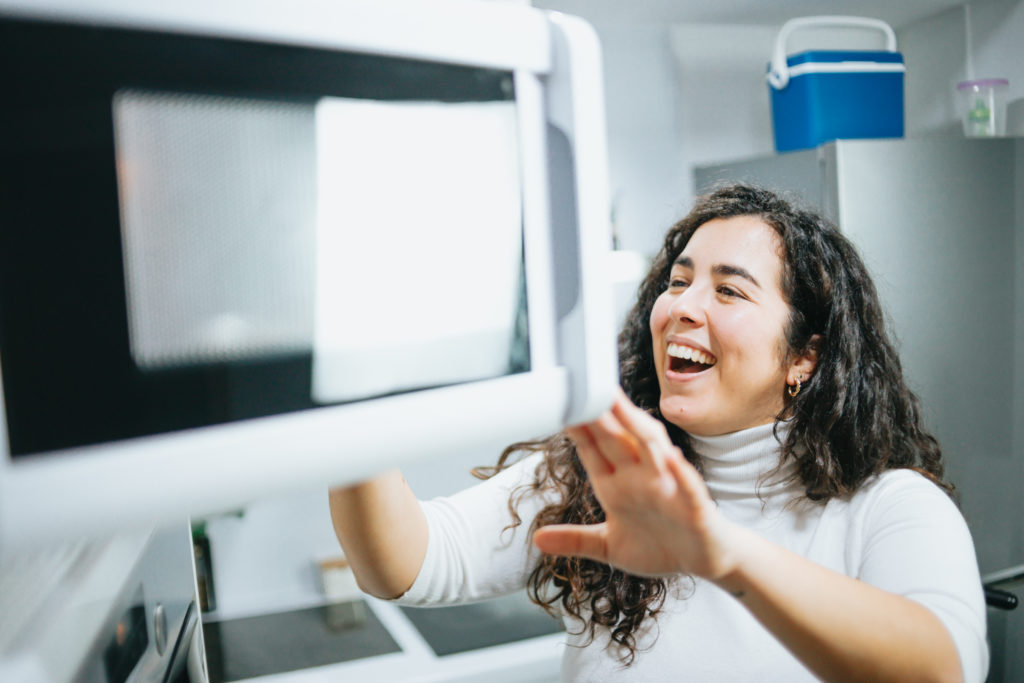
Some nights you don’t want to cook. You want to eat now, without dirtying three pans for a meal that feeds one person. That’s the appeal of microwave mug meals. Mix a few ingredients in a single cup, microwave for a minute or two, and you’re done. No oven, fewer dishes, and less chance of making more food than you need.
This guide covers ten easy mug meals for breakfast, lunch, dinner, and dessert, plus a few tricks to keep them from turning rubbery, dry, or unevenly cooked.
Food is one of the larger expenses in many household budgets, and unlike some bills, grocery spending may offer at least some room to adjust from week to week.
According to the Bureau of Labor Statistics, food accounted for 12.9% of average U.S. household spending in 2024, behind housing and transportation.
A lot of food also goes uneaten. The EPA estimates that food waste costs a four-person household about $2,913 a year—roughly $56 a week.
Cooking single servings can help reduce leftovers when you’re feeding one person. The savings won’t resolve a serious debt load on their own, but spending less on food waste may leave a little more room in your budget for other financial priorities.
Why Mug Meals Work for Tight Budgets
A mug meal gives you built-in portion control. You make one serving instead of cooking a full batch that may or may not get eaten later.
Food waste is a much bigger issue than leftovers from one dinner. The USDA estimates that 30% to 40% of the U.S. food supply is lost or wasted.
Mug meals can also make good use of inexpensive staples you may already have. Eggs, bread, oats, flour, pasta, rice, and shredded cheese can form the base of several different meals without requiring a completely new grocery list every time.
Before You Start
Two basics make a big difference.
First, use a microwave-safe ceramic or glass mug with enough room for the food to expand. A larger mug—around 12 to 16 ounces—can help reduce spills when oatmeal, pasta water, or batter bubbles up. Avoid metal trim and containers that aren’t labeled microwave-safe.
Second, pay attention to your microwave’s power. Wattage varies between machines, so the same recipe may cook faster in a more powerful microwave and take longer in a lower-powered one. Treat every cook time here as a starting point. Check the food early and add another 10 to 15 seconds at a time when needed.
Food safety matters, too. Microwave ovens can heat unevenly. The USDA recommends cooking egg dishes to 160°F, so cook egg-based mug meals until the egg is fully set, not runny.
And don’t intentionally leave flour-based mug cakes or brownies raw in the middle. The FDA notes that flour is a raw food and shouldn’t be eaten as uncooked dough or batter.
The 10 Best Microwave Mug Meals
Hundreds of mug recipes are available online. These ten use relatively simple ingredients and cover breakfast, savory meals, and dessert.
For Breakfast
Scrambled Eggs in a Mug
Crack two eggs into a lightly greased microwave-safe mug, add a splash of milk, and beat with a fork.
Microwave for 30 seconds, stir, then continue in short intervals until the eggs are fully set. Cooking time will vary by microwave, so check frequently rather than letting them go too long.
Add shredded cheese, salsa, herbs, or leftover cooked vegetables if you have them.
Oatmeal in a Mug
Combine half a cup of oats with three-quarters of a cup of water or milk in a large mug.
Microwave for about 90 seconds to two minutes, watching carefully so the oatmeal doesn’t rise over the rim. Stir and add fruit, cinnamon, honey, or peanut butter.
French Toast in a Mug
Tear a slice of bread into cubes and place them in a mug. Whisk an egg with a splash of milk, cinnamon, and a drop of vanilla, then pour the mixture over the bread and press down so it soaks in.
Microwave until the egg mixture is fully cooked and the center is set, checking after about a minute and adding more time as needed.
Top with fruit or a small amount of syrup. This is also a useful way to use bread that’s starting to go stale.
For Lunch and Dinner
Mac and Cheese in a Mug
Add half a cup of small pasta and half a cup of water to a large microwave-safe mug.
Microwave in roughly two-minute intervals, stirring between each one, until the pasta is tender. Add more water in small amounts if the mug dries out before the pasta finishes cooking.
Stir in shredded cheese and a splash of milk, then microwave briefly until the cheese melts.
Set the mug on a microwave-safe plate before cooking because pasta water can bubble over.
Mug Pizza
Stir together:
- 4 tablespoons flour
- ⅛ teaspoon baking powder
- Una pizca de sal
- 3 tablespoons milk
- 1 teaspoon oil
Mix until a batter forms.
Microwave the base until cooked through. You don’t want it to be wet or doughy in the center. Depending on your microwave, start checking around 60 to 90 seconds.
Add tomato sauce, shredded cheese, and your preferred toppings, then microwave again until the cheese melts.
It won’t taste exactly like delivery pizza, but it can handle a quick pizza craving with ingredients you may already have.
Rice and Veggies in a Mug
Start with cooked rice rather than raw rice. Add it to a mug with chopped cooked or microwave-safe vegetables and a splash of soy sauce.
If you want to add an egg, stir it thoroughly into the mixture and microwave until the egg is fully cooked, stirring partway through.
This works especially well with leftover rice and small amounts of vegetables that might otherwise go unused.
Quiche in a Mug
Beat an egg with a tablespoon of milk, then stir in shredded cheese and small pieces of cooked vegetables or meat.
Microwave in short intervals until the egg is fully set in the center.
It’s essentially a crustless mini quiche and can be a handy way to use small amounts of leftovers.
Sweet Treats
Brownie in a Mug
Mix:
- 4 tablespoons flour
- 4 tablespoons sugar
- 2 tablespoons cocoa powder
- Una pizca de sal
- 3 tablespoons milk
- 2 tablespoons oil
Microwave until the brownie is cooked through and no raw batter remains in the center. Start checking after about 1 minute, and add time in short intervals if needed.
For a softer brownie, avoid overcooking—but don’t leave raw flour batter in the middle.
Mug Cake
Combine:
- 4 tablespoons flour
- 3 tablespoons sugar
- ⅛ teaspoon baking powder
- 3 tablespoons milk
- 2 tablespoons oil
- A drop of vanilla
Microwave for about 70 to 90 seconds, then check the center. Add short bursts of time if any raw batter remains.
Add chocolate chips, cinnamon, or a spoonful of jam for variety.
Cinnamon Mug Cake
Use the basic mug cake mixture, then stir in about a teaspoon of cinnamon and sprinkle a little brown sugar over the top.
Microwave until the cake is cooked through, checking around 70 to 90 seconds and adding more time if needed.
It gives you some of the flavors of a cinnamon roll without turning on the oven.
How to Keep Your Mug Meals Cheap and Varied
The easiest way to avoid boredom is to treat a few staples as building blocks.
- A bag of flour can become pizza, brownies, and cake.
- Eggs can become scrambles, French toast, and quiche.
- Pasta and cheese can cover a quick lunch.
- Oats can handle several inexpensive breakfasts.
- Cooked rice and leftover vegetables can become a fast savory meal.
The point isn’t to buy a pantry full of special mug-meal ingredients. It’s to find several uses for the foods you’re already buying.
Leftovers can help with that, too. Yesterday’s rice, a small amount of cooked vegetables, or the last few slices of bread can all work in a mug meal instead of going to waste.
It’s the same basic idea behind cooking once and finding another use for what you make.
Common Mug Meal Mistakes to Avoid
Most mug-meal failures come down to a few common problems.
- Overcooking: Eggs can become rubbery, and cakes can dry out quickly. Start with less time and add short intervals as needed.
- Overflow: Oatmeal, pasta water, and cake batter can rise quickly. Use a larger mug than you think you need and put it on a microwave-safe plate if spilling is likely.
- Undercooked centers: Microwave heating can be uneven. Stir foods when appropriate and make sure egg dishes are fully set and flour-based foods don’t contain raw batter.
- Ignoring microwave wattage: A recipe that works perfectly in one microwave may need more or less time in another.
If your mug meals keep coming out wrong, adjusting the cooking time in small increments is usually more useful than changing the entire recipe.
When a Mug Meal Is the Right Call
Mug meals aren’t meant to replace every kind of cooking. They’re most useful when making a full batch doesn’t make much sense.
That might be:
- A meal for one
- A quick work-from-home lunch
- A dorm or small space with access to a microwave
- A late snack or dessert
- A day when you don’t have the time or energy for a full recipe
- A stretch when you’re trying to use what is already in the pantry before buying more groceries
They can also help you experiment with ingredients without committing to a full recipe.
Mug Meals Can Make a Small Difference
Microwave mug meals are quick, flexible, and can make good use of inexpensive ingredients you already have. Start with two or three recipes from this list, learn how your microwave behaves, and then adjust them based on what’s in your kitchen.
Cooking single servings and using leftovers won’t erase a serious debt load on their own. But reducing food waste and getting more meals from what you already buy can help stretch a grocery budget.
Sometimes small savings are simply that: small. But when they’re easy to repeat, they can still be worth keeping.